- 01.A New Step Toward 6G New Frequency
- 02.Challenges Revealed by 5G
- 03.Global Situation on the 7 GHz Band
- 04.Japan’s First Outdoor Field Trial by a Domestic Telecommunications Operator: Challenges in a Real Environment”
- 05.Toward Sustainable Spectrum Utilization
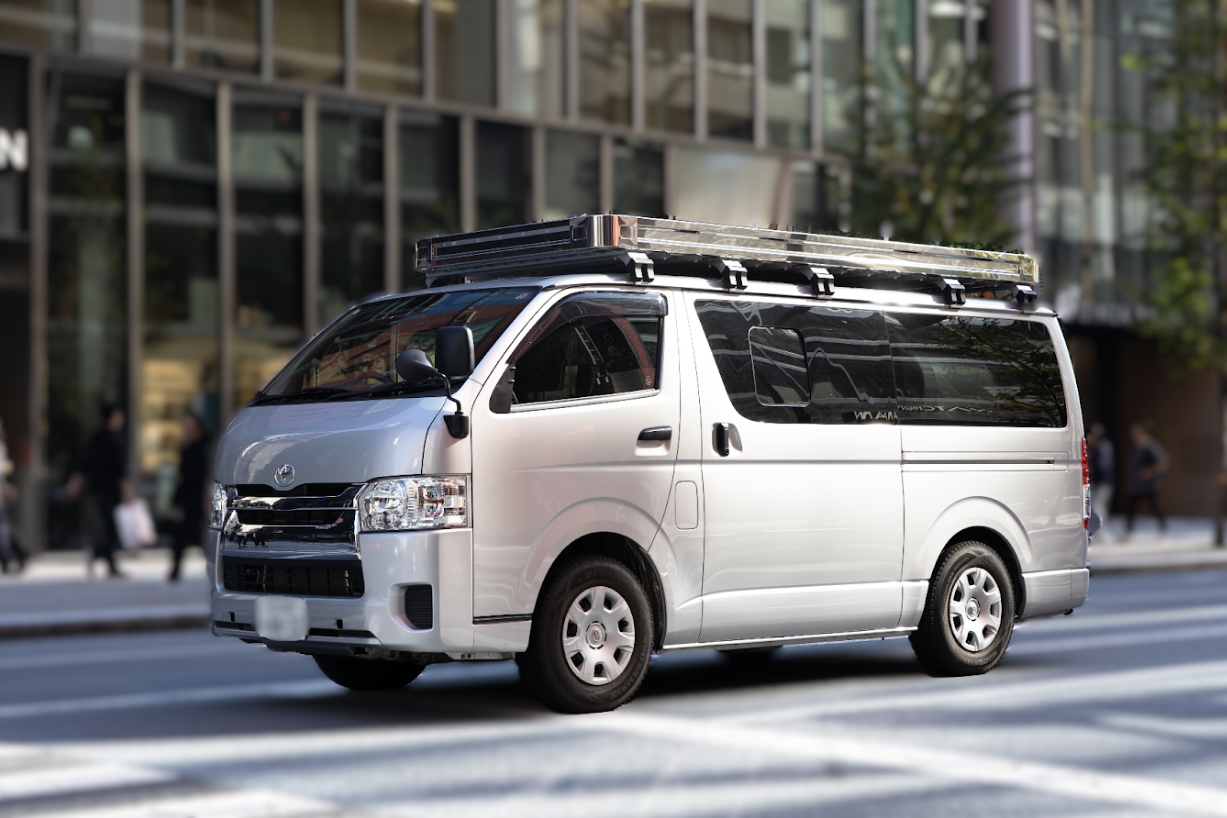
The SoftBank Research Institute of Advanced Technology conducted an outdoor field trial in the 7 GHz band (commonly referred to as the centimeter-wave band) and demonstrated its feasibility and performance in an outdoor environment.
For further details on the outdoor field trial, please refer to the press release below:
https://www.softbank.jp/en/corp/news/press/sbkk/2025/20251119_01/
In this context, on November 19, 2025, SoftBank held a media briefing titled “The Power of Technology: Centimeter-Wave” together with a Conference on 6G Technologies.
At the media briefing, Ayumi Yabuki, who leads the 6G Preparation Office, Advanced Wireless Technology Division, delivered a technical presentation entitled “Outdoor Field Trial Using the 7 GHz Band.” The session also included a guided bus tour of the actual field trial area.
*The archive is available in Japanese only.

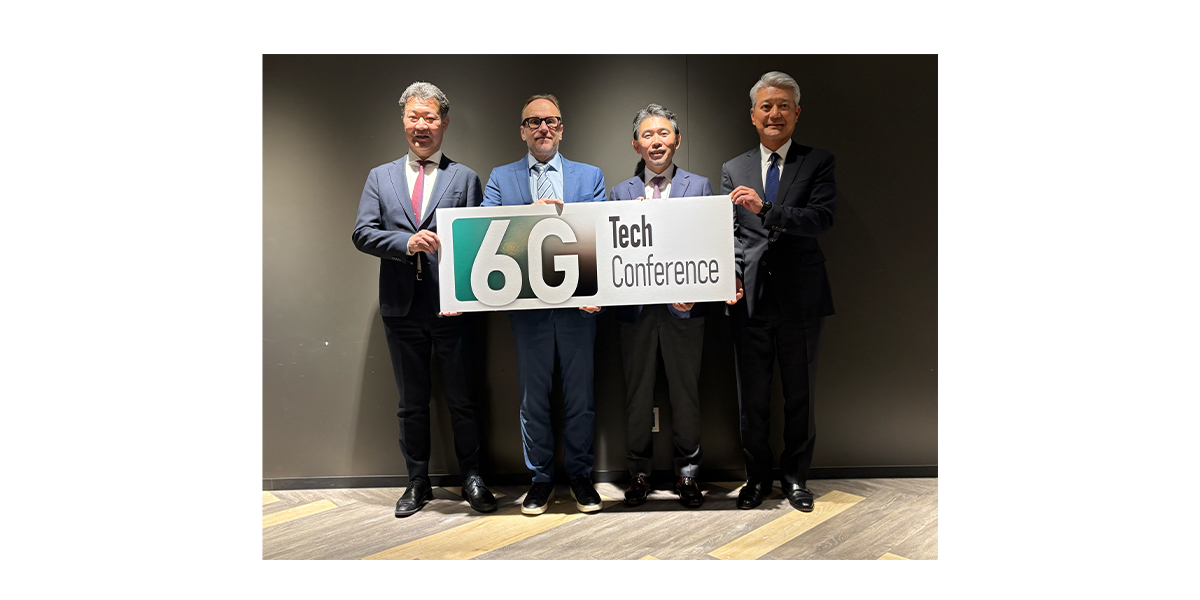
In addition, at the Conference on 6G Technologies, which was jointly organized with Nokia and attended by representatives from the Ministry of Internal Affairs and Communications (MIC), mobile network operators (MNOs), and telecommunications system vendors, Ryuji Wakikawa, Vice President, Head of Research Institute of Advanced Technology, delivered a presentation entitled “Networks Supporting an AI-Driven Society.” In his talk, he outlined the effectiveness of centimeter-wave technologies and advocated their adoption as candidate frequency bands for 6G systems.

In addition, the following speakers also took the stage on the day, delivering in-depth presentations on the effectiveness of centimeter-wave technologies while discussing the future society enabled by 6G.
Lecture Title : A Future Society Created by the Convergence of Communications and AI
Speaker : Akihiro Nakao, Professor, University of Tokyo
Lecture Title : 6G in the 7 GHz Band Leveraging AI
Speaker : Ari Kinnaslahti, Vice President of Strategy & Technology and CTO at Nokia Mobile Networks
Lecture Title : Networks Supporting an AI-Driven Society
Speaker : Ryuji Wakikawa, Vice President and Head of the Research Institute of Advanced Technology at SoftBank Corp.
In this article, we first explain why centimeter-wave frequencies are attracting attention for the implementation of 6G, and then present the specific details of the field trial.
1. A New Step Toward 6G New Frequency
Research on next-generation communication systems, known as 6G, is progressing worldwide. As introduced in our previously published article on the concept of 6G, the ITU-R released a usage scenario of IMT-2030(6G). According to the usage scenario, 6G is not only an extension of the three key features of 5G, namely ultra-high data rates and capacity, ultra-low latency and high reliability, and massive connectivity, but also incorporates three additional characteristics: the integration of AI, the integration of sensing, and ubiquitous connectivity.
Nov 27, 2025
Blog
6G Explained: Next-Generation Connectivity and SoftBank’s Innitiatives
In the 2030s, when 6G is expected to become widely used, society is projected to leverage a wide range of AI technologies across many industries. In particular, the mobile traffic is expected to increase sharply due to the transmission of video data and prompts required for services utilizing generative AI.
To ensure the stable provision of services in a future AI-driven society, SoftBank is pursuing a variety of initiatives, as spectrum congestion represents an unavoidable challenge.
Accordingly, it is necessary to address emerging communication traffic, making the exploration of new frequency bands for 6G a critical priority.
To date, SoftBank has conducted research toward the practical application of terahertz (sub-terahertz) bands in order to achieve communication speeds exceeding 100 Gbps, which are required for 6G.
However, compared with the sub-6GHz and millimeter-wave bands that are currently used for 5G, these frequencies inevitably present a challenge in that the achievable coverage area is significantly limited.
Discussions on frequency bands for 6G are currently taking place worldwide. In addition to the push for higher data rates, there is growing interest in how easy different frequency bands are to use in practice. As a result, frequency ranges that fall between sub-6 GHz and millimeter-wave bands are attracting attention.
Because these frequencies have longer wavelengths than millimeter waves, they are referred to as centimeter-wave bands.
*In mobile communication standards, frequency ranges (FR1 to FR3) are defined as illustrated in Figure 1.
The sub-6 GHz band is classified as FR1, millimeter-wave bands as FR2, and centimeter-wave bands as FR3.
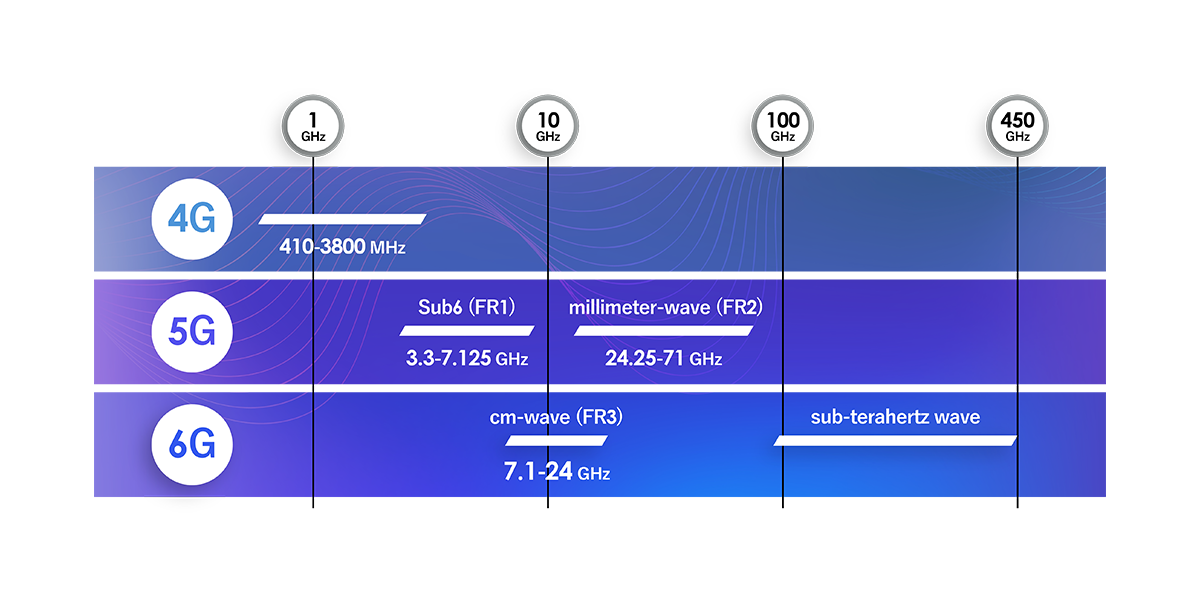
Figure 1. Frequency Ranges Defined for 5G
At the ITU-R World Radiocommunication Conference 2023, held in Dubai, discussions advanced on the use of frequency ranges within FR3—specifically 7,125 MHz to 8,400 MHz and 14.8 GHz to 15.35 GHz—for mobile communications. These frequency bands are scheduled to be identified as candidate frequencies for 6G at the next World Radiocommunication Conference 2027.
With a view toward the deployment of 6G using centimeter-wave frequencies, SoftBank is conducting verification through the actual deployment of outdoor base stations. Specifically, they are examining whether centimeter waves are better suited for macro base station deployments, where base stations are installed on building rooftops or towers, or for dense small-cell deployments, as is typical for millimeter-wave systems.
2. Challenges Revealed by 5G
In 5G, in addition to the frequency bands that had been used up to 4G (LTE) systems (3.6 GHz and below), radio waves in the sub-6 GHz band (e.g., the 3.9 GHz band) and the millimeter-wave band (e.g., the 29 GHz band) are also utilized for communications.
Because sub-6 GHz frequencies are close to those used for 4G, they offer several advantages, including the ability to provide coverage comparable to 4G, integrate antennas for 4G and 5G, and reuse the same hardware components.
The spectrum allocated to sub-6 GHz bands is typically limited to approximately 100–200 MHz per operator, which may be insufficient to meet the communication performance requirements anticipated for the 6G era. In comparison, millimeter-wave spectrum provides approximately 400 MHz per operator, offering a wider bandwidth and enabling ultra-high-speed communications.
However, due to the propagation characteristics of millimeter waves, namely their strong directionality and susceptibility to blockage, it is difficult to provide wide-area coverage comparable to that of conventional 4G systems*1. In addition, the limited availability of millimeter-wave-capable smartphones has resulted in lower-than-expected adoption, which represents another challenge.
*1 : Ministry of Internal Affairs and Communications (MIC), “Survey Results on the Utilization Status of Radio Spectrum for Mobile Telephony and Nationwide BWA (FY2024)”, available at: https://www.soumu.go.jp/main_content/000983898.pdf
3. Global Situation on the 7 GHz Band
When centimeter-wave frequencies (particularly the 7 GHz band) are utilized, radio propagation can be leveraged as an extension of sub-6 GHz systems. In addition, the development of 7 GHz–capable devices is considered to be easier than that of millimeter-wave devices. As a result, centimeter-wave bands are expected to address the challenges associated with millimeter waves, while enabling ultra-high-speed communications through the availability of wider bandwidth than sub-6 GHz bands. Moreover, these characteristics are anticipated to facilitate broader device adoption, positioning centimeter-wave frequencies as a key enabler for the widespread deployment of 6G.
In addition, a major distinguishing feature is that 6G can be implemented using the same deployment approaches as existing communication infrastructure. This ease of implementation can be regarded as one of the most compelling advantages of the 7 GHz band.
In this way, centimeter-wave frequencies are regarded as offering the best of both sub-6 GHz and millimeter-wave bands, and demand for their use toward the practical realization of 6G is increasing worldwide.
The specific frequencies under discussion worldwide range from 7,125 MHz to 8,400 MHz. Meanwhile, the 6,425 MHz to 7,125 MHz band has already been identified as a frequency band usable for 5G*2. As these two frequency ranges are contiguous, the formal designation of 7,125 MHz to 8,400 MHz as candidate frequencies for 6G at the next World Radiocommunication Conference would result in a broad, continuous spectrum of 6,425 MHz to 8,400 MHz being available as candidate frequency bands for 5G and 6G.
Discussions on the use of the 6,425 MHz to 7,125 MHz band (Upper 6 GHz) for mobile communications are already well underway. In China, Hong Kong, Brazil, India, and Vietnam, this band has been designated for 5G use, and in some countries, spectrum allocation to mobile network operators has already been completed.
However, in the United States, the Upper 6 GHz band has already been designated for Wi-Fi use, meaning that frequencies available for mobile communications are limited to those above 7,125 MHz. In Europe, frequencies around 7.5 GHz are currently used for public services and therefore cannot be utilized for mobile communications at present.
As these regulatory and usage conditions vary significantly by region, coordinated international discussions will be essential to enable the use of this frequency band for 6G deployment.
*2 : In the 3GPP specifications, the 6,425 MHz to 7,125 MHz band is already defined as band n104.
4. Japan’s First Outdoor Field Trial by a Domestic Telecommunications Operator: Challenges in a Real Environment”
SoftBank conducted an outdoor field trial to verify a mobile communication coverage area using the 7 GHz band in an actual urban environment.
As a fundamental property of radio waves, higher frequencies exhibit not only stronger directionality but also greater attenuation with distance. This phenomenon, known as propagation loss, is well understood to increase in proportion to the square of the frequency.
On the other hand, as frequency increases, the wavelength of radio waves becomes shorter, enabling the use of smaller antennas. Consequently, when employing Massive MIMO base stations, higher frequencies allow a larger number of antenna elements to be integrated, thereby increasing antenna gain.
The 7 GHz band operates at approximately twice the frequency of bands used for sub-6 GHz systems. At the same distance from a base station, the signal strength received by a 7 GHz–capable device is therefore about one-quarter that of a sub-6 GHz signal.
On the other hand, when using a Massive MIMO base station of the same aperture size, it is possible to integrate approximately four times as many antenna elements at 7 GHz. In this case, the increased attenuation with distance can be mitigated by the benefits of the increased number of antennas, namely the improvement in antenna gain. As a result, the coverage using the 7 GHz band has the potential to make the communication area comparable to, or close to, that of sub-6 GHz systems.
However, this line of reasoning is based on calculations under line-of-sight conditions, where no obstacles such as tall buildings are present. In the real urban environments, locations that are shadowed by buildings (non-line-of-sight conditions) are expected to disadvantage the 7 GHz band relative to sub-6 GHz bands. Consequently, the coverage area is also expected to shrink in such environments.
Evaluation Based on Theoretical Analysis
We compared the attenuation characteristics (propagation loss) of radio waves in the sub-6 GHz band (3.9 GHz) and the 7 GHz band using a propagation model commonly employed for simulations in coverage planning.
The calculated results of propagation loss using the propagation model are shown in Figure 2 and Figure 3. As indicated in Figure 2, the difference in propagation loss between the 3.9 GHz band and the 7 GHz band under line-of-sight conditions is approximately 6 dB, as initially expected, corresponding to the 7 GHz signal being about one quarter of the sub-6 GHz signal strength.
However, the results assuming non-line-of-sight conditions (Figure 3) show that this difference increases to approximately 9 dB. In other words, while the increase in propagation loss under line-of-sight conditions can be compensated for by improvements in antenna gain, under non-line-of-sight conditions, the increased propagation loss cannot be balanced by antenna gain alone, leading to the prediction of an overall reduction in coverage area.
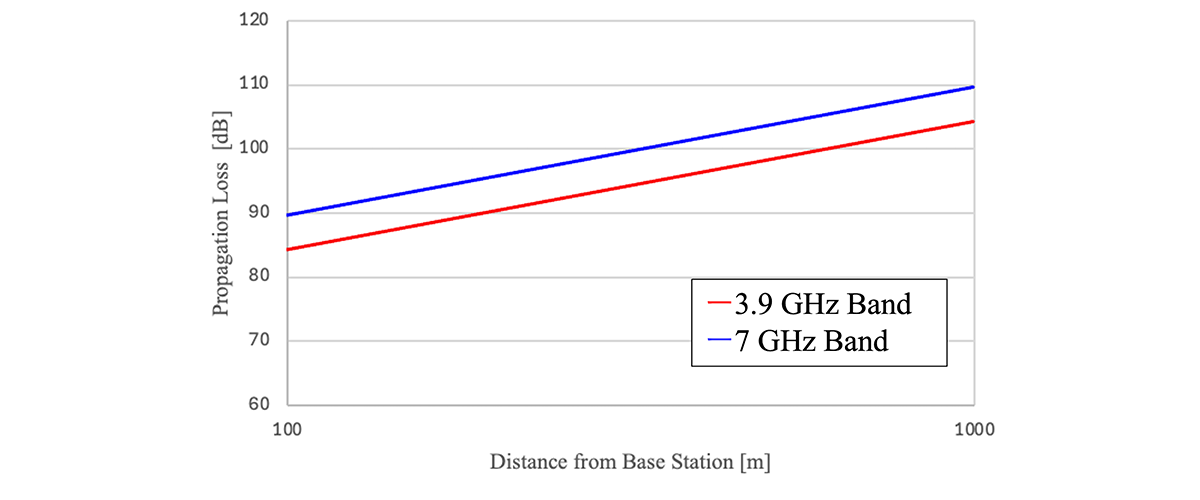
Figure 2. Comparison of Propagation Loss in Line-of-Sight Areas (Free-Space Path Loss) (3.9 GHz Band and 7 GHz Band)
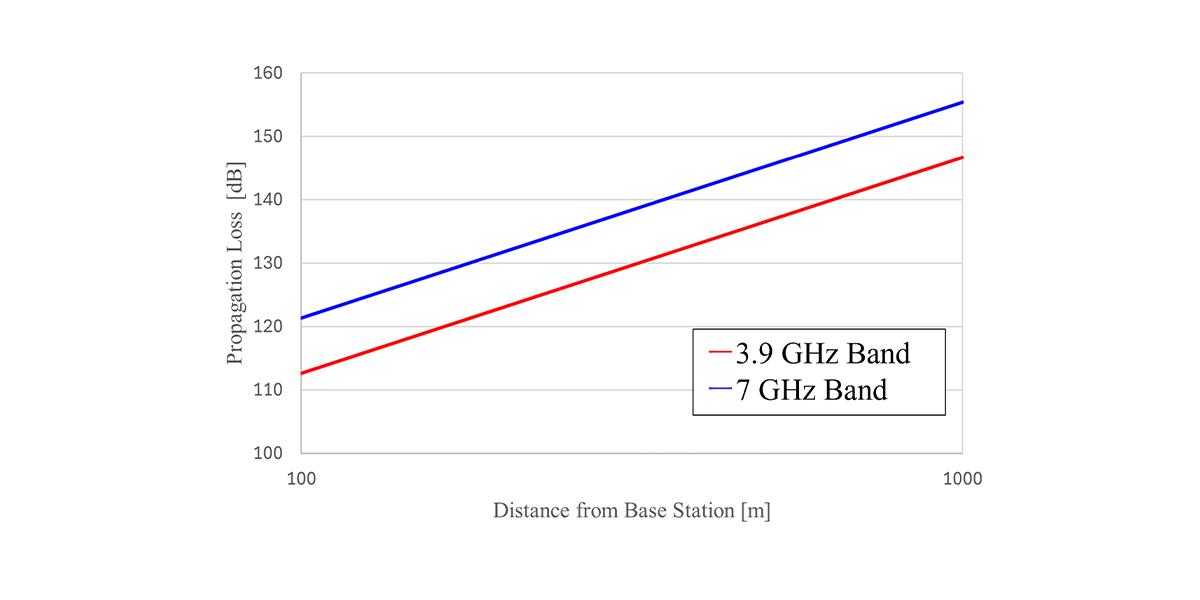
Figure 3. Comparison of Propagation Loss in Non-Line-of-Sight Areas (Extended Hata Model) (3.9 GHz Band and 7 GHz Band)
Outdoor Field Trial
According to the simulation results, under line-of-sight conditions, the increase in propagation loss is balanced by the antenna gain improvement, resulting in nearly equivalent coverage for the sub-6 GHz and 7 GHz bands. Under non-line-of-sight conditions, however, propagation loss becomes more pronounced, leading to a smaller coverage area for the 7 GHz band. To verify whether these theoretical results hold in real-world environments, we have conducted an outdoor field trial.
To evaluate the coverage and communication quality in a real environment, a 7 GHz–capable base station was installed alongside a 3.9 GHz base station, as shown in Figure 4. By driving along the surrounding roads and measuring the received signal power and signal quality of each frequency band, we assessed both the extent of coverage and the associated communication performance.
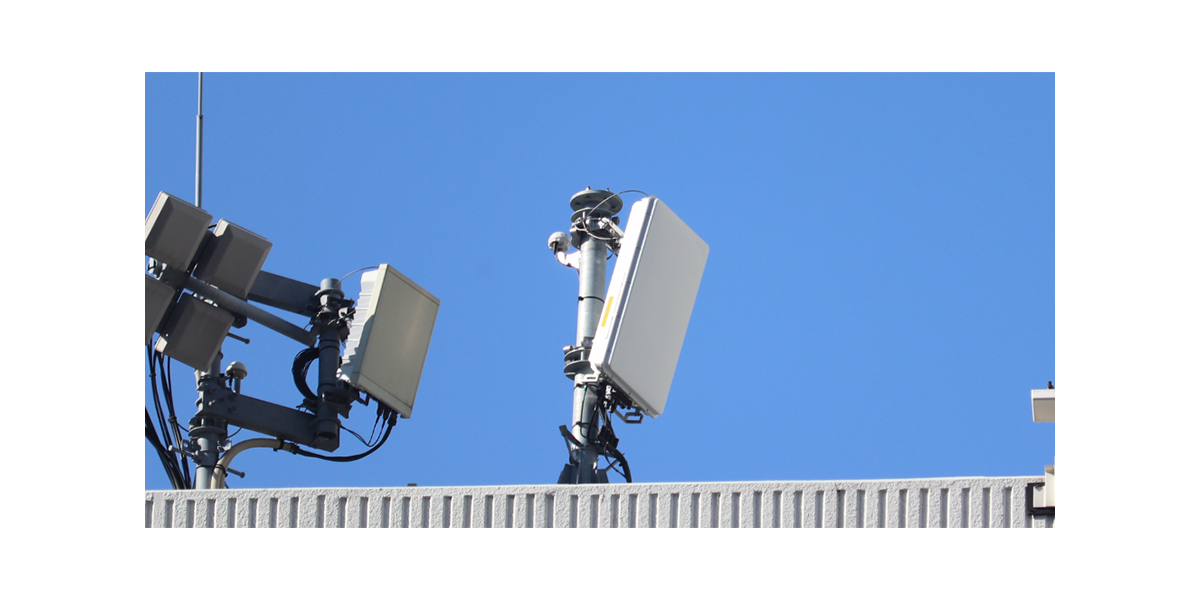
Figure 4. Photograph of the Base Stations (the 3.9 GHz–Capable Base Station Is Shown on the Left)
Table 1 summarizes the experimental parameters, Figure 5 shows a map of the test area and the locations of the base stations, and Figure 6 is photo of driving test.
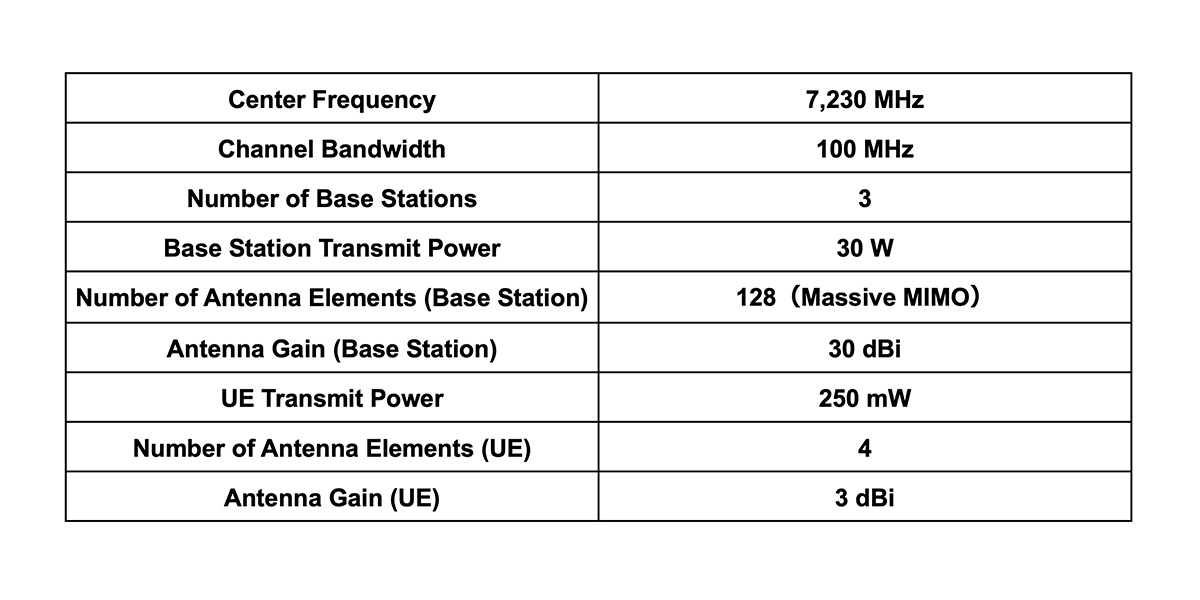
Table 1. Radio Specifications of the Experimental Base Stations
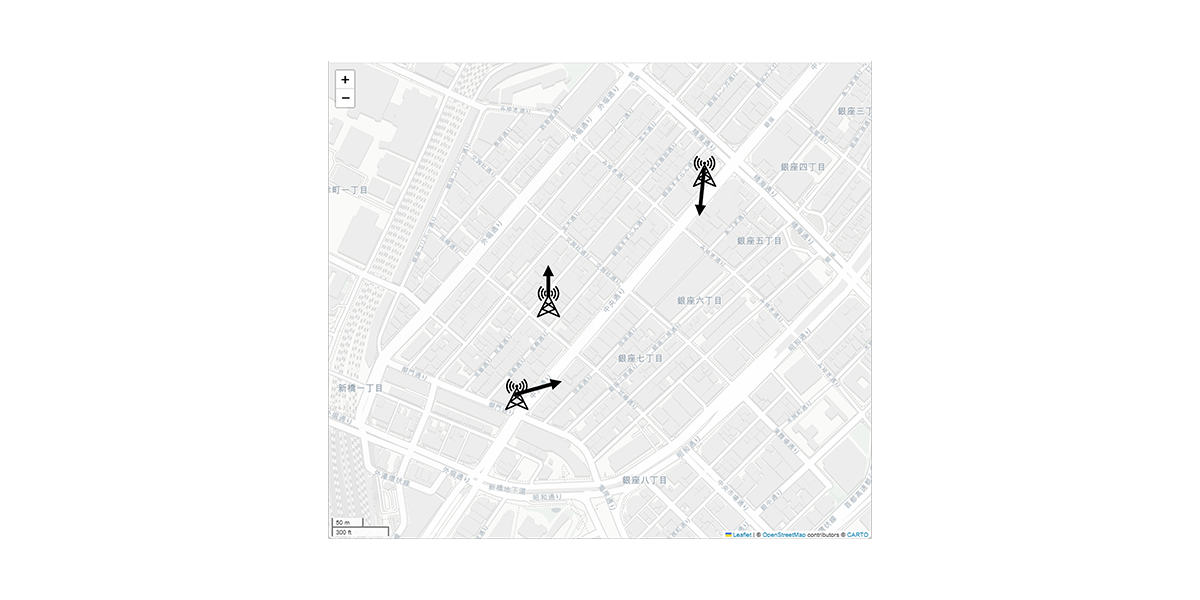
Figure 5. Locations of the Base Stations (Map of the Area Around Ginza 4-chome to 8-chome, Tokyo)
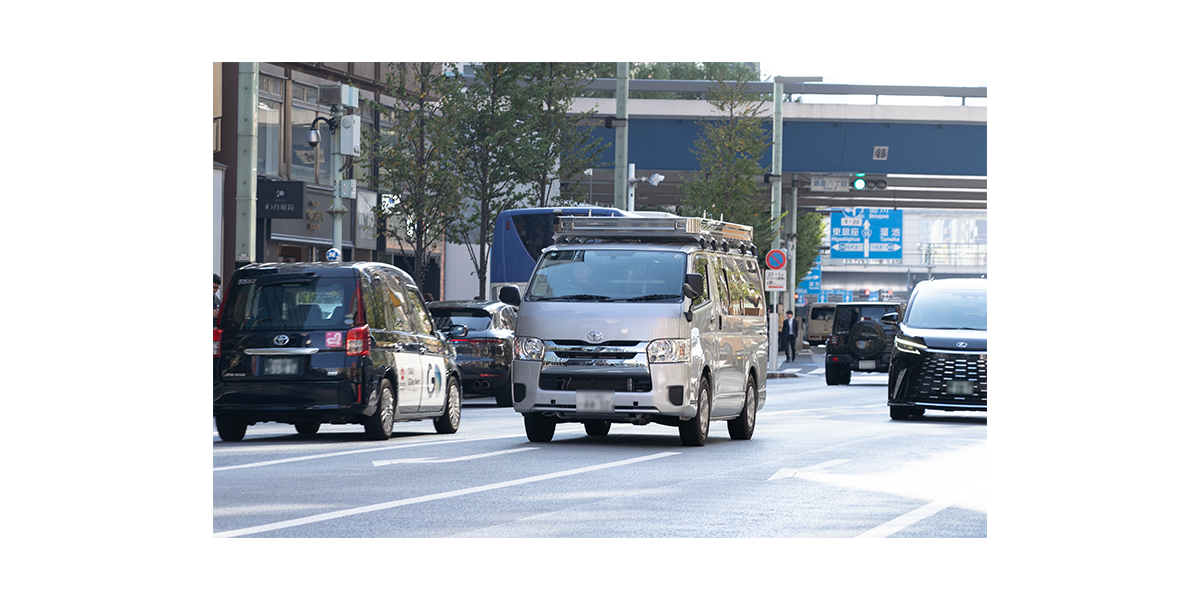
Figure 6. Measurement Setup During the Field Trial (Measurements Conducted Using a Test Vehicle)
Verification of Radio Propagation Characteristics
We evaluated radio propagation loss—namely, the extent to which received power decreases with distance—along the street where the base stations were installed (line-of-sight conditions) and in adjacent side streets (non-line-of-sight conditions).
Figures 7 and 8 present the measurement results under line-of-sight and non-line-of-sight conditions, respectively. In these figures, the results for both the 3.9 GHz band and the 7 GHz band are compared solely in terms of propagation loss, with factors such as antenna gain subtracted from the measurements.
Note : Data for locations within 100 m of the base stations are omitted, as the measurements in this range are affected by shielding from the building itself on which the base stations were installed.
Under line-of-sight conditions, as seen in Figure 7, the propagation loss for the 3.9 GHz and 7 GHz bands was nearly the same (the median difference was less than 1 dB). While the theoretical analysis presented earlier predicted that the propagation loss of the 7 GHz band would be approximately 6 dB higher than that of the 3.9 GHz band, the measurement results indicate lower propagation loss than predicted.
This outcome is attributed to the urban environment of Ginza, where tall buildings line the streets and inhibit the lateral dispersion of radio waves. This so-called “canyon effect” is considered to have mitigated signal attenuation more than anticipated.
In non-line-of-sight conditions (NLOS) like side streets, the statistical analysis demonstrated a difference in median propagation loss of approximately 9.7 dB. This finding closely mirrors the theoretical analysis.
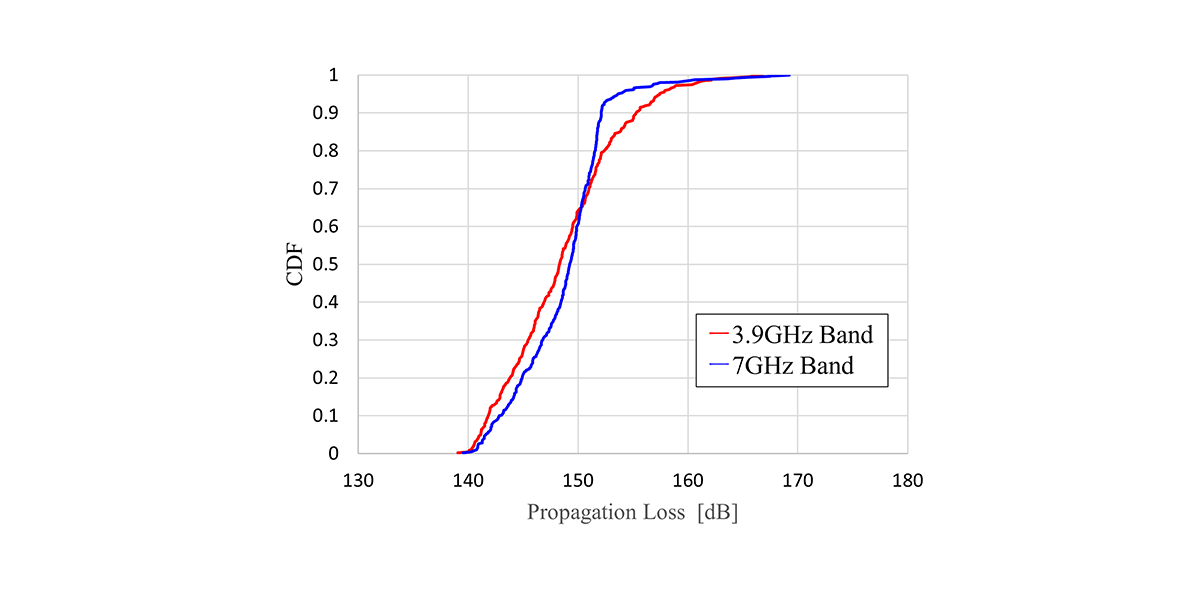
Figure 7. Comparison of Propagation Characteristics in Line-of-Sight Areas
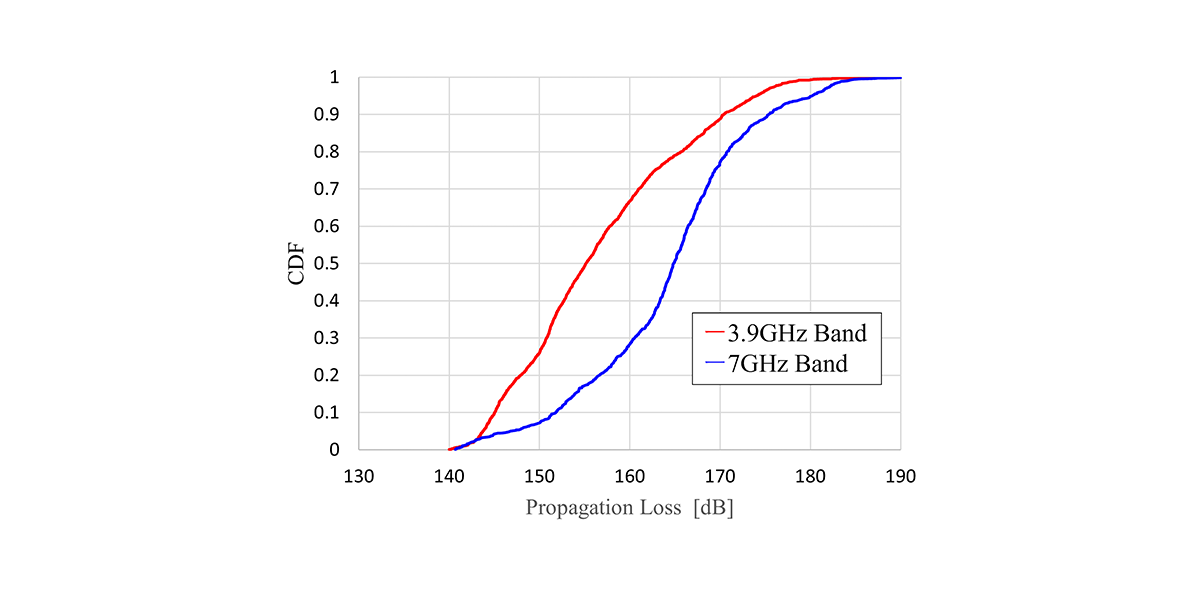
Figure 8. Comparison of Propagation Characteristics in Non-Line-of-Sight Areas
Verification of Communication Coverage
Figures 9 and 10 show the measurement results of received signal power (RSRP) and communication quality within the test area (the red-framed area of 200 m × 500 m shown in Figures 9 and 10), as well as in the surrounding area. When evaluated against –120 dBm, which represents the communication limit for 5G, received power levels of –120 dBm or higher were confirmed at 99% of locations within the test area.
These results demonstrate that sufficient coverage with the 7 GHz band can be achieved using a macro base station deployment approach comparable to that employed for the 3.9 GHz band, confirming the feasibility of area coverage using the 7 GHz band.
In addition, measurements of Signal-to-Interference-plus-Noise Ratio (SINR), an indicator of communication quality, showed values of 0 dB or higher across the entire area, confirming that stable communications were achievable (communication often becomes unstable when SINR falls below –5 dB). Overall, the median SINR was 5.9 dB, indicating that good communication quality was maintained throughout the coverage area.
This result is attributed to the propagation characteristics of the 7 GHz band, which exhibit limited diffraction into building-shadowed areas. As a consequence, inter-cell interference between adjacent base stations is reduced under non-line-of-sight conditions, thereby contributing to the high signal quality.
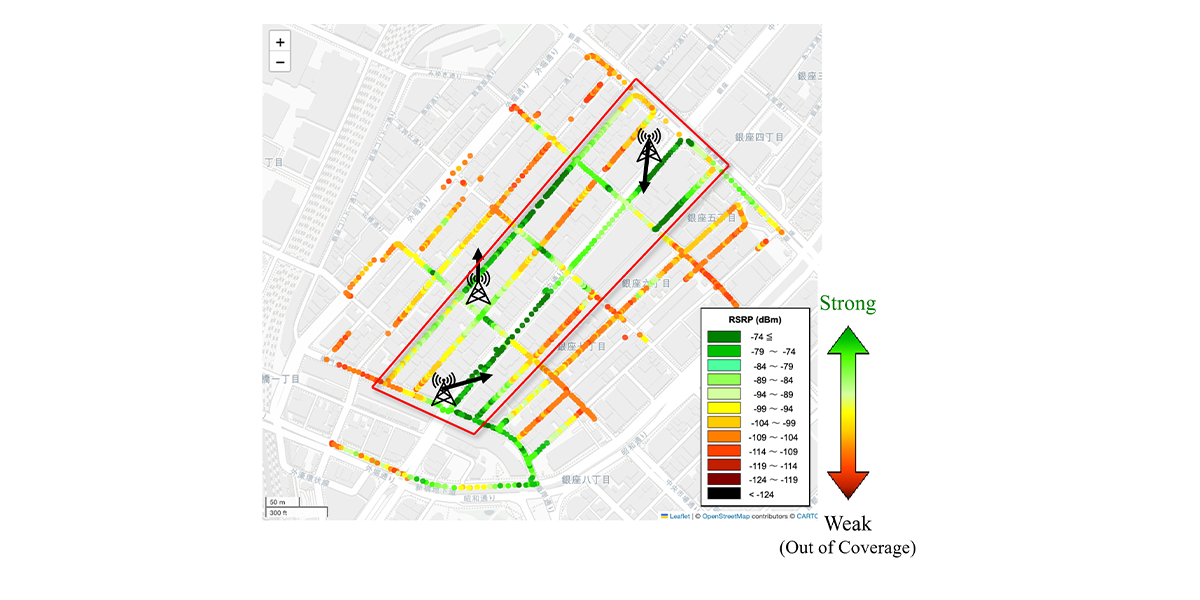
Figure 9. Received Signal Power (RSRP) Map
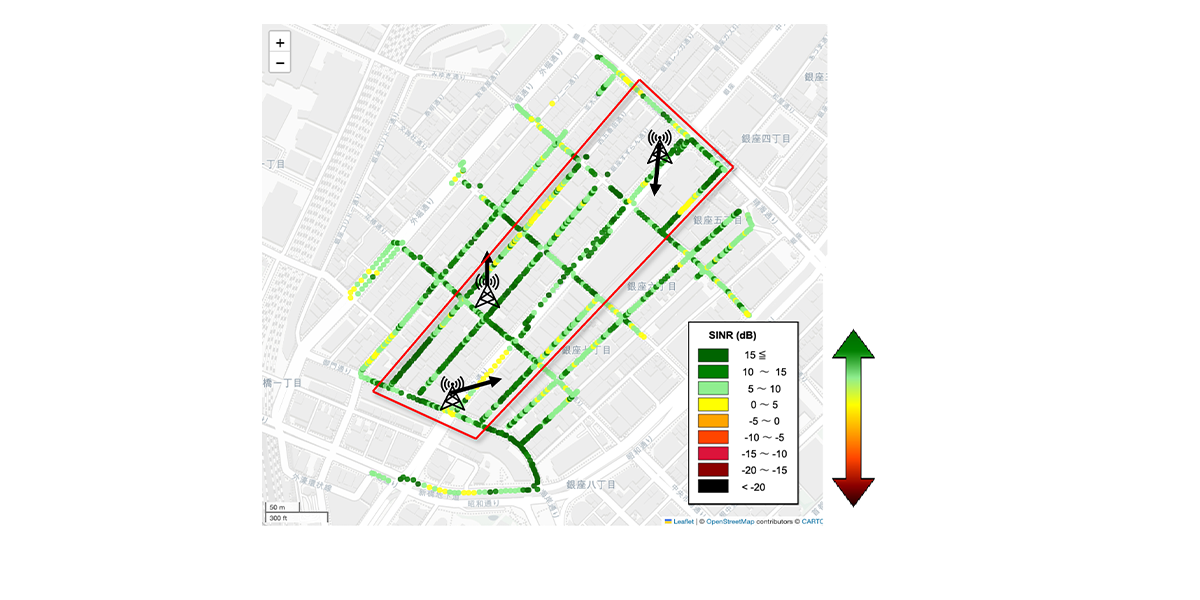
Figure 10. Communication Quality (SINR) Map
5. Toward Sustainable Spectrum Utilization
This blog has described the construction of a mobile communication coverage area using the 7 GHz band and the results obtained from actual field experiments. While the 7 GHz band is expected to be utilized for 6G in the future, it is also a frequency currently used by incumbent systems other than mobile communications, including radar, satellite communications, and broadcasting services.
In addition, Wi-Fi® 7 (IEEE 802.11be), the next-generation wireless LAN standard, is also extending the frequency up to 6,425 MHz to 7,125 MHz band.
For mobile network operators to use the 7 GHz band for 6G, spectrum allocation by the national government is required. Under conventional spectrum allocation approaches, when new frequency bands are assigned for mobile communications, the spectrum is typically reorganized and existing systems operating in those bands are relocated to other frequencies. This is an approach known as exclusive spectrum use. However, migrating entire systems to different frequency bands requires significant time and cost.
If spectrum reorganization continues to be required every new generation of communication technology emerges, issues will arise on an ongoing basis. These include the eventual exhaustion of available spectrum, leaving no alternative bands to which systems can be migrated, as well as the enormous costs associated with updating equipment to accommodate frequency changes, which could place a significant financial burden on core business operations.
To address these challenges and make efficient use of limited spectrum resources and existing infrastructure, it is essential to move beyond conventional exclusive spectrum use and adopt an approach to spectrum utilization that is based on coexistence and sharing.
Such coexistence challenges with existing systems from a spectrum perspective are not unique to Japan but a common issue worldwide. To enable more efficient spectrum utilization in the future, spectrum sharing technologies are considered essential.
Toward the practical realization of 6G, SoftBank will continue not only to verify the effectiveness of the 7 GHz band as a new frequency for mobile communications, but also to advance research and development aimed at spectrum utilization based on coexistence and sharing.