Contents
- Blog
- Wireless, Network
Efforts to Improve Angle-of-Arrival Estimation Accuracy in Sensing Using Mobile Communication Signals
#6G #ISAC #Sensing
Mar 31, 2026
SoftBank Corp.
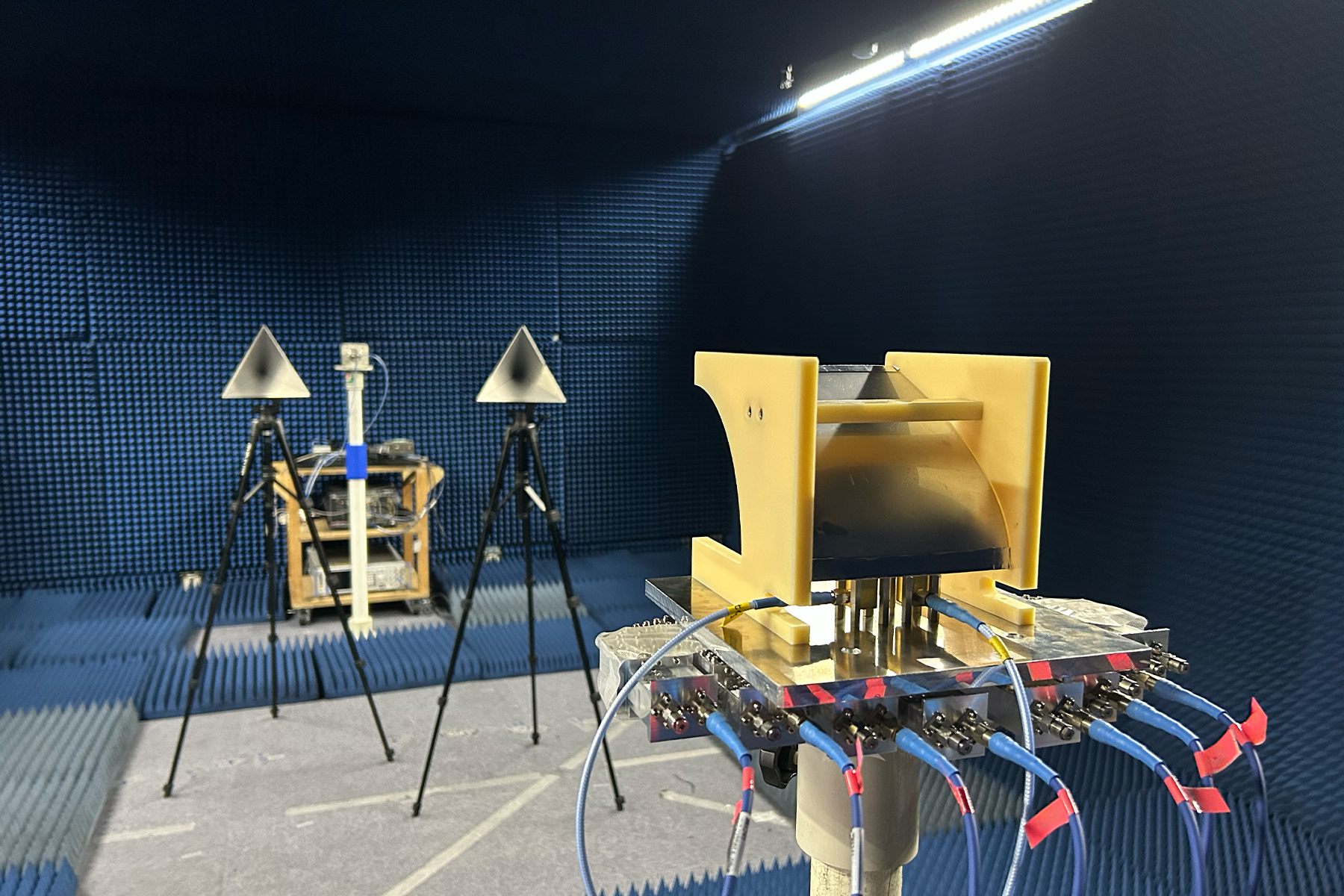
1. Toward an Era of “Seeing” with Radio Waves: 6G Sensing Technology
Autonomous vehicles, drones, and robots—systems driven by artificial intelligence (AI)—require large volumes of sensing data to enable decision-making based on accurate situational awareness. Data used for sensing include image information obtained from optical cameras, ranging information obtained from ultrasonic sensing, and both ranging and angle information obtained from radio sensing. Among these, radio sensing has advantages in non-line-of-sight conditions and adverse weather, and is used in applications such as traffic monitoring and automotive radar [1,2].
On the other hand, radio waves are utilized for a wide range of applications, including communications, and spectrum resources are becoming increasingly congested. Therefore, sensing using radio signals emitted from mobile communication systems has attracted significant attention. In fact, the concept of Integrated Sensing and Communication (ISAC) has been introduced as part of 6G scenarios, and studies on ISAC are underway in various organizations [3].
Against this background, we have been investigating a sensing approach that utilizes reference signals—signals used, for example, for received power measurements when a terminal selects a serving base station—in order to realize sensing functionality without making significant modifications to the 3GPP-compliant frame structure originally optimized for communication purposes [4].
To estimate the position of a target, information such as angle and distance is required. In particular, obtaining angle information requires the use of array antennas with multiple antenna elements, and achieving high resolution generally necessitates increasing the number of antenna elements. However, in practical scenarios, increasing the number of antenna elements is often constrained by operational costs. Therefore, methods based on direction-of-arrival estimation algorithms, such as the Capon method [5], FISTA [5], and IAA [6], have been actively studied as ways to improve resolution without increasing the number of antenna elements.
This study applies direction-of-arrival estimation algorithms to a sensing method based on reference signals in 3GPP-compliant transmissions to improve target detection accuracy. An evaluation system for radio-based measurements is first introduced, followed by measurement evaluations in an anechoic chamber with multiple targets. Finally, experimental results using the Capon, IAA, and FISTA methods are presented.
2. Constructed Experimental System and Processing Flow
Figure 1 shows the constructed experimental system. We assume that sensing (radar) functionality is implemented by installing sensing capabilities in a base station built on a GPU server. Accordingly, in the constructed experimental system, the sensing receiver is placed in the vicinity of the base station.
In addition, to demonstrate that MIMO signal transmission compliant with 3GPP specifications can be achieved, a receiver evaluation unit equivalent to user equipment (UE) is included. This receiver evaluation unit receives 3GPP-compliant signals transmitted from the transmitter (Tx) and performs demodulation processing [7] to visualize the received MIMO constellation diagram.
The sensing receiver measures the target position through the following steps: signal measurement and SSB demodulation, followed by processing using direction-of-arrival estimation algorithms.
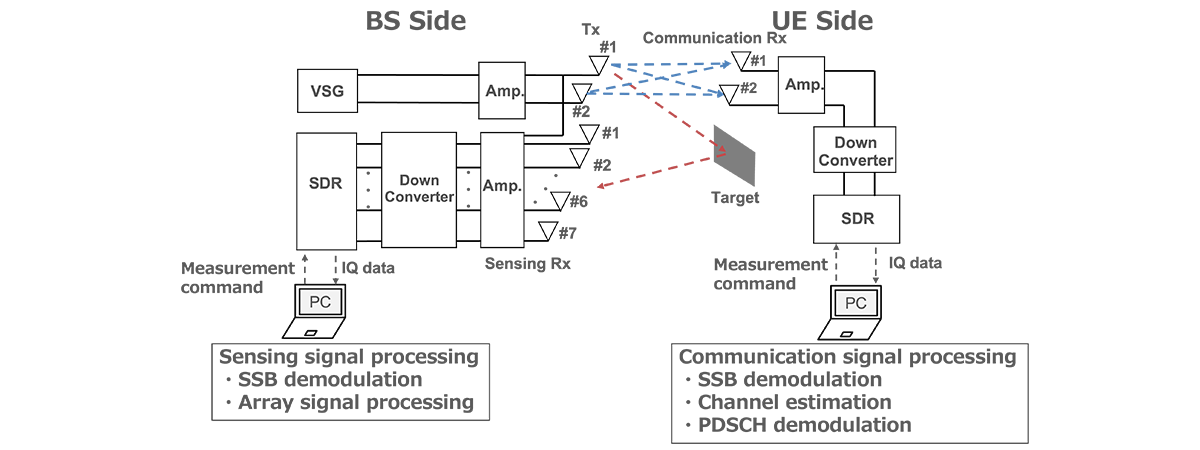
Figure 1. Constructed Experimental System
Step 1: Signal Measurement and SSB Demodulation
In this step, the received signal is demodulated using the reference signal, namely the Synchronization Signal Block (SSB), to obtain the reflection characteristics of the target. As shown in Figure 2, the signal received by a typical sensing receiver includes not only the reflected signal from the target but also a direct signal that propagates from the transmitter (Tx) to the receiver (Rx) (i.e., direct-path interference).
If this signal is processed as is, the power of the direct signal is overwhelmingly larger than that of the reflected signal, which significantly degrades the target detection accuracy. To address this issue, the proposed method first acquires demodulated data in advance under a no-target condition. By subtracting this pre-acquired data from the data obtained during actual measurements, the effect of the direct-path interference can be mitigated, enabling accurate extraction of the reflection characteristics of the target alone.
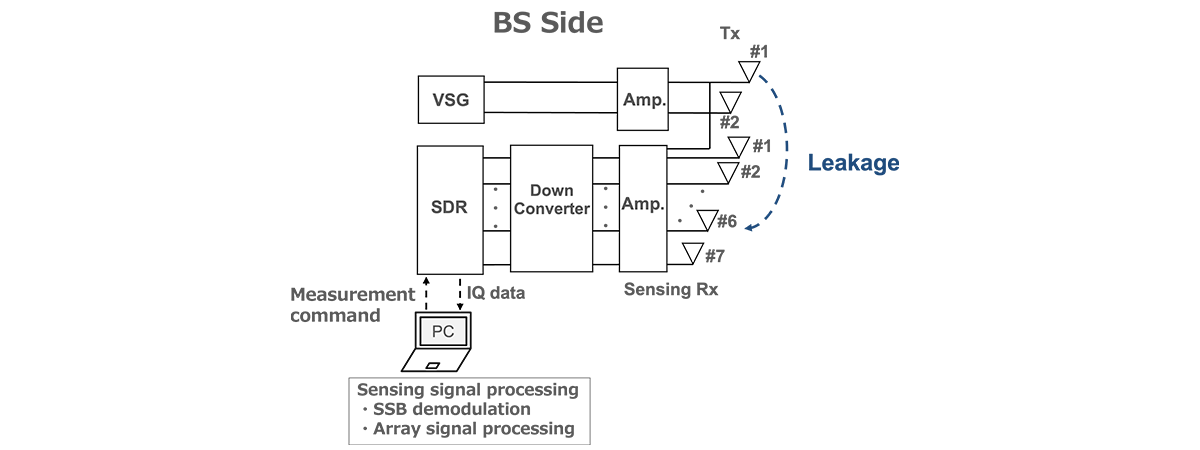
Figure 2. Direct-Path Interference from the Transmit Antenna
Step 2: Direction-of-Arrival Estimation Processing
To estimate the direction of the target, direction-of-arrival (DOA) estimation processing is applied to the reflection characteristics obtained after removing the effect of direct-path interference. The selectable algorithms include the Beamformer method [5], Capon method [5], FISTA [5], and IAA [6]. Table 1 summarizes the characteristics of each algorithm, and Figure 3 presents the corresponding angle spectra obtained by these methods.
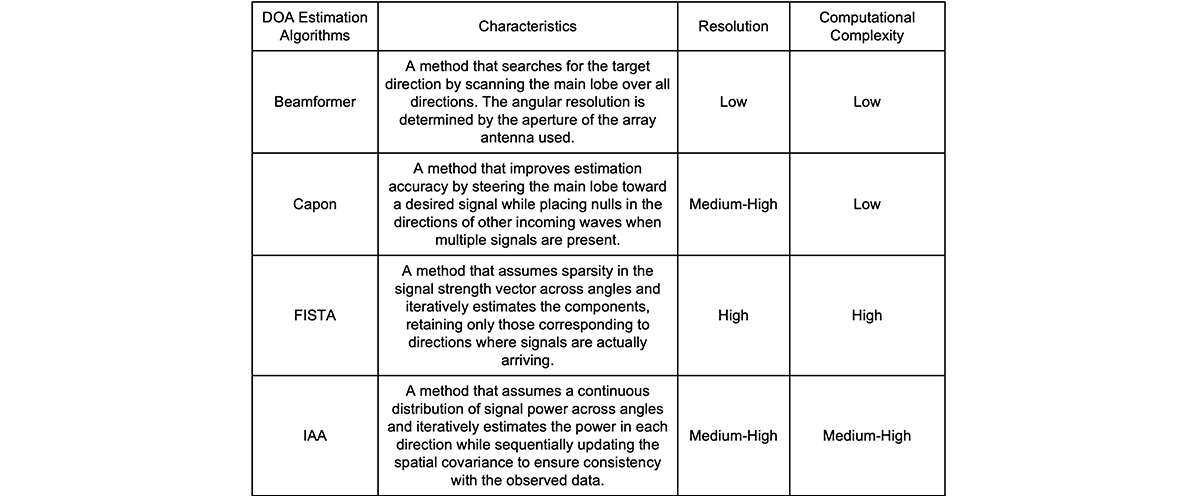
Table 1. Characteristics of the DOA Estimation Algorithms Considered in This Study
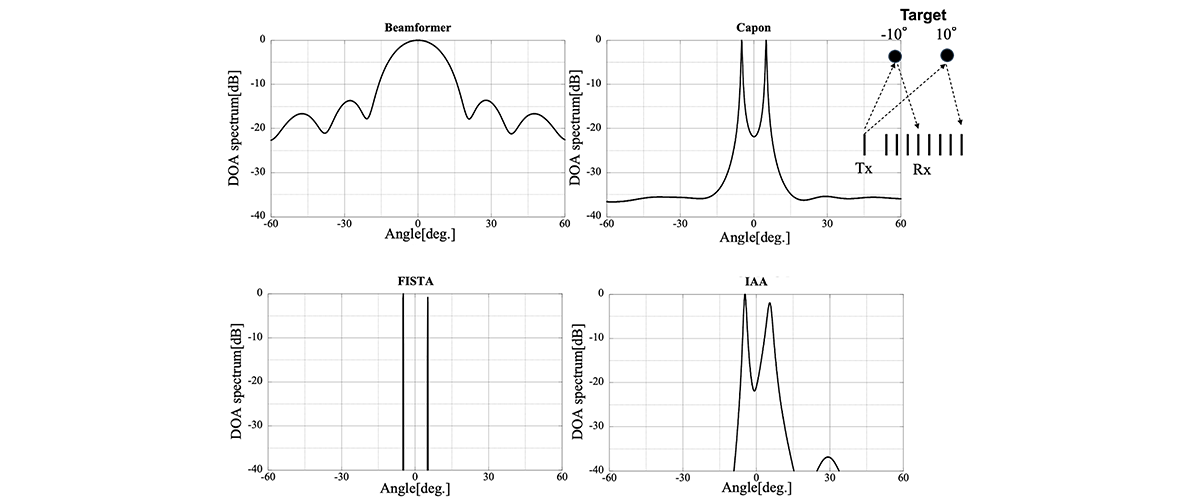
Figure 3. An example of the angle spectrum obtained using each algorithm
(Using an 8-Element Linear Array Antenna)
3. Anechoic Chamber Evaluation
To investigate suitable direction-of-arrival (DOA) estimation algorithms, fundamental characteristics were obtained using the evaluation system shown in Figure 1. Figure 4 illustrates the experimental setup in an anechoic chamber. In this study, measurements were conducted using metal and a human subject as targets, representing ideal reflectors.
On the base station side, a one-dimensional parabolic antenna with a narrow beamwidth in the vertical plane and a wide beamwidth in the horizontal plane was used as the transmit antenna. A 5G NR downlink signal with a carrier frequency of 29.7 GHz and a bandwidth of 100 MHz was transmitted with two MIMO streams. By receiving and demodulating this signal at the user equipment (UE), the constellation characteristics of the PDSCH (Physical Downlink Shared Channel) MIMO streams were obtained.
For sensing, a seven-element linear array antenna was used as the receive antenna at the base station. The responses from the target were captured through this antenna, and angle spectra were obtained by applying DOA estimation algorithms.
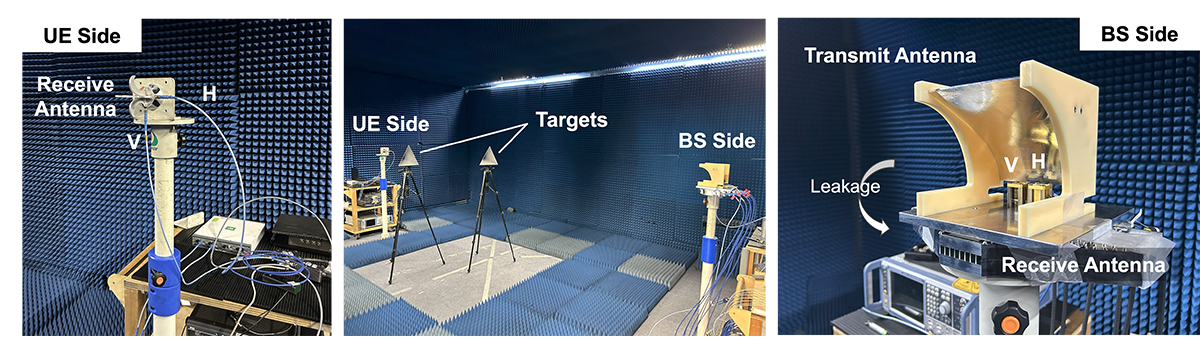
Figure 4. Experimental Setup in the Anechoic Chamber
An example of the experimental results is shown below. Figure 5 presents the demodulated signal obtained from the receiver system at the user equipment (UE). As can be seen from Fig. 5, both streams are clustered into 16 constellation points, confirming that MIMO transmission of the 5G NR signal is successfully achieved.
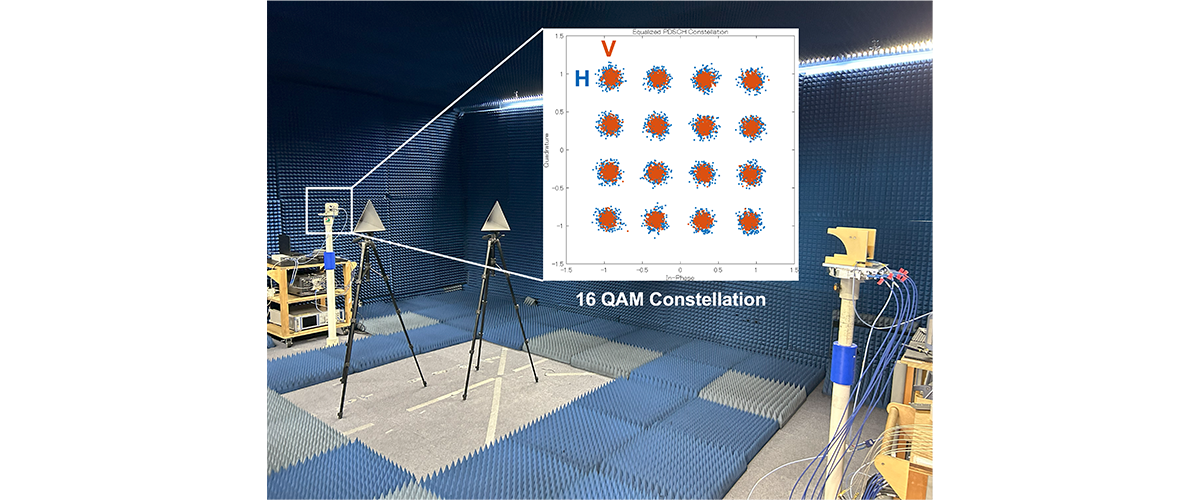
Figure 5. Demodulated Signal (16-QAM Constellation)
Next, as sensing results, Figure 6 shows the results when the target is a metal object, and Figure 7 shows the results when the target is a human subject. In evaluating the target detection performance, the following points were considered:
(i) Whether targets can be resolved even when they are closely spaced.
(ii) Whether stable direction estimation can be achieved regardless of the target type.
Figure 6 presents the results for the metal targets. In this case, due to the high correlation of the signals received by the array antenna, only a single spectral peak is observed with the Beamformer and Capon methods, indicating that the target directions cannot be properly resolved. In this case, it is necessary to improve detection accuracy by physically increasing the number of array antenna elements and introducing a technique known as spatial smoothing.
In contrast, with the FISTA and IAA methods, spectral peaks are generally observed in the directions of the targets, suggesting that the target directions can be successfully resolved. This indicates that, with FISTA and IAA, improved target detection accuracy can be achieved through DOA estimation algorithms without increasing the number of antenna elements.
Figure 7 presents the results for human targets. While the FISTA method was able to separate targets in the case of metallic objects, it is significantly affected by noise under this condition, resulting in unclear target positions. In contrast, although the IAA method exhibits an increased sidelobe level, it achieves good target separation. The power of the reflected waves from humans is lower in terms of received SNR (signal-to-noise ratio) compared to that from metallic objects, and it also exhibits larger temporal fluctuations due to breathing and body motion. This instability in the received power is considered to make direction estimation of the targets difficult for the FISTA method. On the other hand, the IAA method is less sensitive to such instability and enables stable separation of target directions.
From these results, it is confirmed that the IAA method enables stable separation of target directions. Furthermore, by applying the IAA method to reference signals in 5G NR, it is possible to achieve stable and high-accuracy target direction estimation without increasing the number of antenna elements.
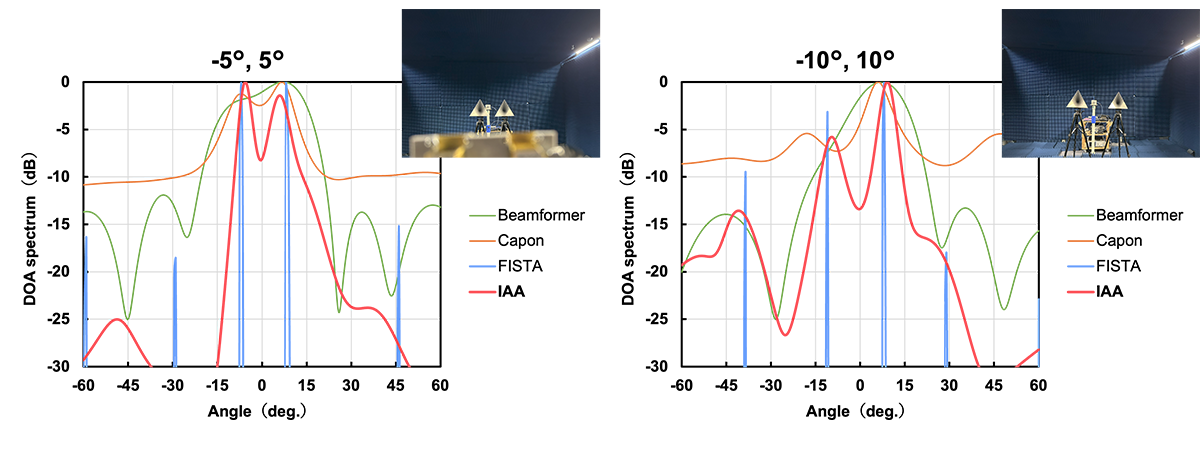
Figure 6. Angle Spectrum for a Metal Target
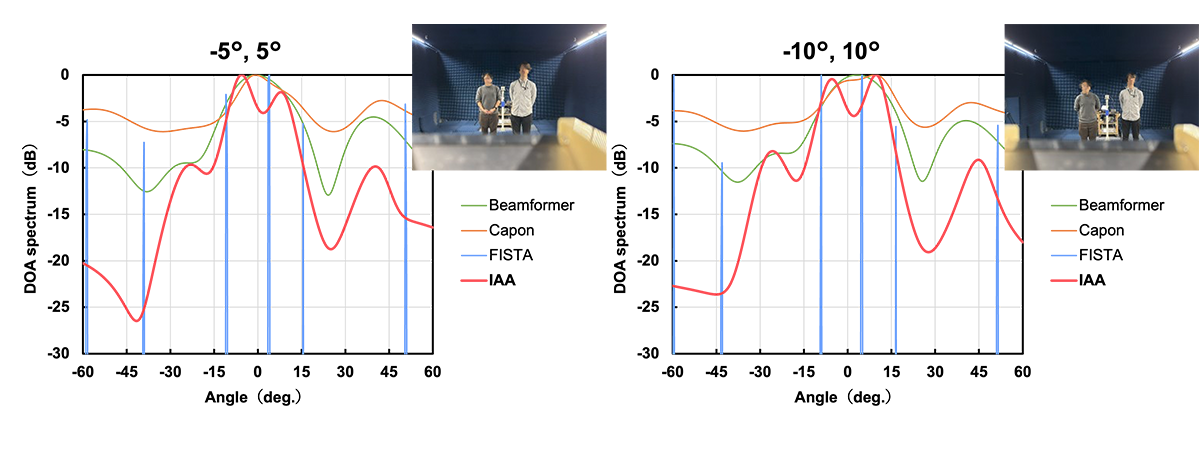
Figure 7. Angular Spectrum for a Human Target
4. Field Testing and Self-Interference Mitigation
In this article, we investigated the target direction detection accuracy by applying various direction-of-arrival (DOA) estimation algorithms to reference signals contained in 3GPP-compliant signals reflected from targets. The results showed that the IAA method enables stable identification of target directions.
In future work, field trials at actual base station deployment sites are planned. On the other hand, in the considered configuration where a sensing receiver is placed in close proximity to the base station, the transmitted signal can directly enter the sensing receiver. As the transmit power increases, this may lead to potential damage to the sensing receiver. Therefore, it is necessary to investigate analog and digital self-interference cancellation techniques [8] to suppress the direct signal component.
Part of this work has been presented at an international conference [9], where it received high recognition, including the Young Engineer Award awarded to a member of our research team (see Figure 8). We will continue to advance our studies toward the realization of ISAC.

Figure 8. Young Engineer Award Certificate
Reference
[1] I.Bilik, et.al., ”The Rise of Radar for Autonomous Vehicles: Signal Processing Solutions and Future Research Directions,”IEEE Signal Processing Magazine, pp.20-31,Vol.36, Issue 5, September 2019.
[2] K. Mishra, et.al.,”Toward Millimeter-Wave Joint Radar Communications: A Signal Processing Perspective,” IEEE Signal Processing Magazine, pp.100 - 114,Vol.36, Issue 5, September 2019.
[3] Z. Wei, H. Qu, Y. Wang, X. Yuan, H. Wu, Y. Du, K. Han, N. Zhang, and Z. Feng, "Integrated sensing and communication signals towards 5G-A and 6G: A survey," IEEE Internet Things J., vol. 10, no. 13, pp. 11068–11092, Jul. 2023.
[4] XGMF 6G Radio Technology Project, “Beyond 5G White Paper -Sensing Technologies-,”pp.75-77, 2025.
[5] N.Kikuma,”Fundamentals of Direction Estimation for Realization of ISAC Systems,”MWE2024,FR1A-1,November 2024.
[6] T. Yardibi, J. Li, P. Stoica, M.Xue, and A. B. Baggeroer, “Source Localization and Sensing: A Nonparametric Iterative Adaptive Approach Based on Weighted Least Squares,” IEEE Transactions on Aerospace and Electronic Systems, vol. 46, no. 1, 2010.pp. 425–443
[7] NR PDSCH Throughput, https://www.mathworks.com/help/5g/ug/nr-pdsch-throughput.html, refer March 23, 2025.
[8] Y.Miyaji,”帯域内全二重, ”Journal of IEICE,Vol.109 No.01,pp.55-57,January 2026(In Japanese).
[9] K.Tomimoto, et.al,. “Study on Improving Target Detection Accuracy of Sensing Using Mobile Communication Systems,” 2025 International Symposium on Antennas and Propagation(ISAP), Fukuoka Japan, October 2025.