Contents
- Blog
- Wireless, HAPS
Advanced Functional Skin Films for Next-Generation HAPS and NTN
#HAPS #NTN #LEO
Apr 27, 2026
SoftBank Corp.
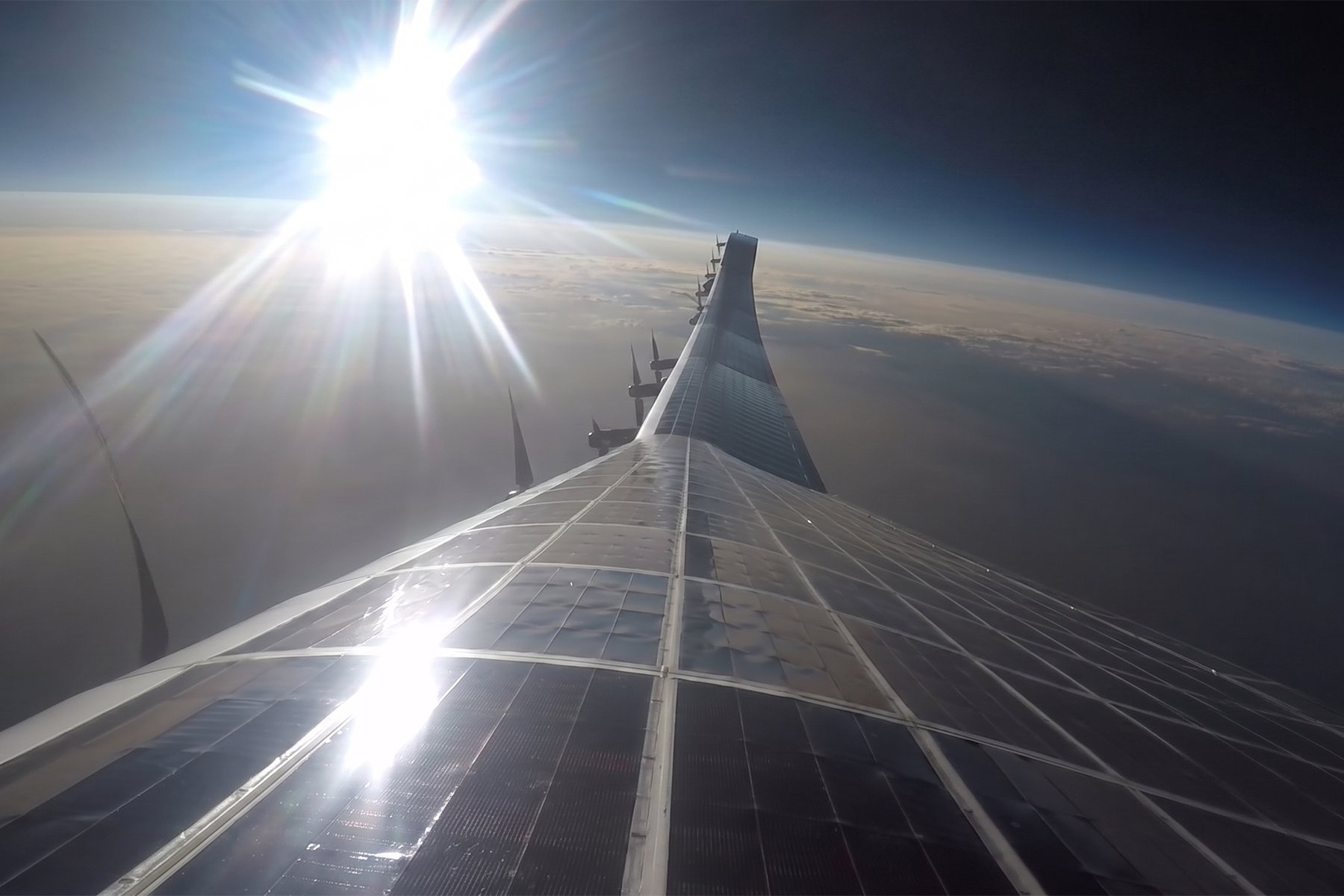
1. HTA-Type Ultra-Light HAPS
SoftBank is working toward the practical deployment of HAPS (High Altitude Platform Stations), often described as “base stations in the sky” powered by solar energy. Positioned in the stratosphere—between low Earth orbit (LEO) satellites and the ground—HAPS is becoming an increasingly important layer for enhancing the performance of Non-Terrestrial Networks (NTN).
In this article, we outline the development of lightweight and durable skin materials for HAPS wings, jointly pursued by SoftBank and TOPPAN Holdings. We also discuss their application to SoftBank’s HTA (Heavier-Than-Air) *HAPS platform, Sunglider (Figure 1), currently under development.
*HTA (Heavier-Than-Air) refers to aircraft that generate aerodynamic lift, like conventional airplanes, to remain aloft.
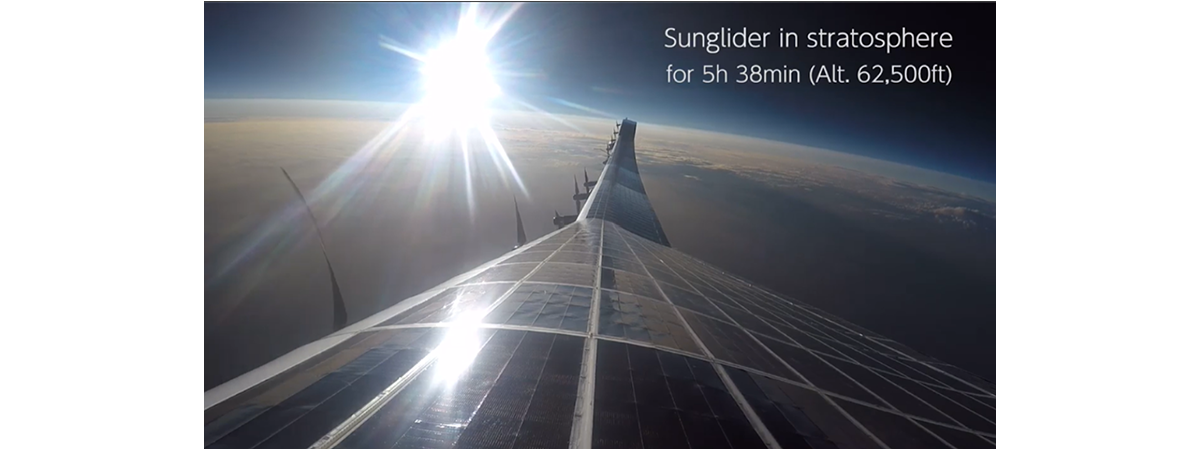
Figure 1. Sunglider, a HAPS aircraft under development by SoftBank
2. Material Innovation in Communications
Throughout the history of communications, major leaps in technology have consistently been driven by breakthroughs in materials (Figure 2). Optical fiber, developed around the 1970s using ultra-low-loss silica, dramatically reduced attenuation. This made high-capacity, long-distance communication possible that could not be achieved with copper cables—and now underpins today’s Internet and global submarine cable networks.
In the wireless domain, gallium nitride (GaN) has played a similarly transformative role. Its high-power density and efficiency have significantly improved power amplifier performance, enabling both energy-efficient and high-frequency cellular base stations. In this sense, the evolution of communications can be seen as being fundamentally enabled by advances in materials.
At SoftBank, we recognized early on that film materials could become a key breakthrough technology for HAPS and have been actively pursuing improvements in their durability. While HAPS airframe technologies largely matured in the 1990s, supporting larger communication payloads in the 2020s requires higher-performance materials. In addition, assuming that films are replaced at maintenance facilities, a service life of six months or longer is required.
Through extensive discussions with TOPPAN Holdings, we determined that existing commercial films were insufficient for these requirements, leading to the development of new film materials.
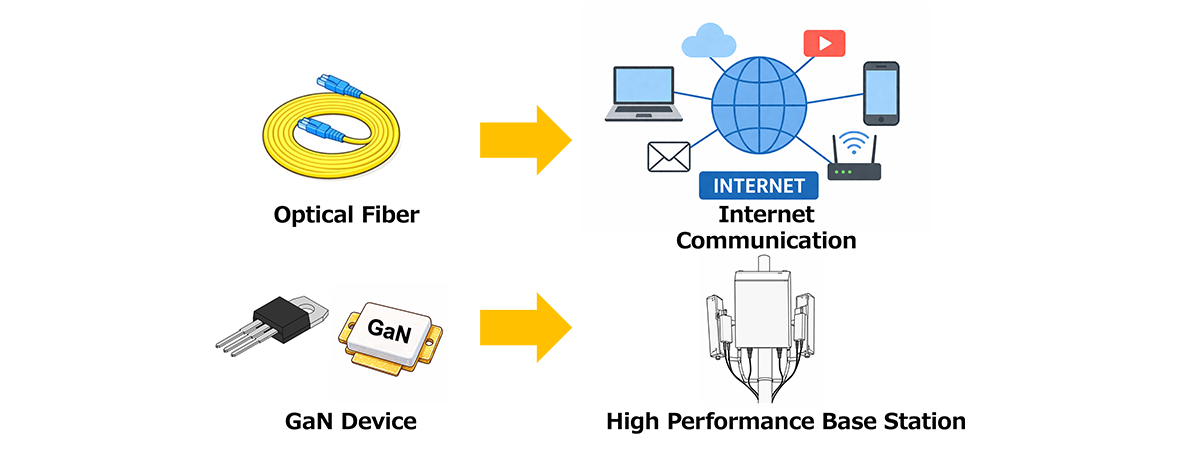
Figure 2. Evolution of communications enabled by material breakthroughs
3. Wing Loading Fundamentals
We now turn to the type of film required, starting from the perspective of wing loading. Wing loading varies significantly depending on the aircraft. For example, a Boeing 747 must carry many passengers and cargo, resulting in a wing loading of approximately 800kg/m2. Generating sufficient lift under such conditions requires enormous thrust from jet engines, consuming on the order of 10 kiloliters of fuel per hour.
In contrast, the wing loading of Sunglider is roughly one-hundredth of that value (Figure 3), comparable to that of large birds such as albatrosses and swans. With wing loading closer to that of birds, HAPS platforms can potentially sustain flight without relying on fossil fuels, instead operating on solar energy combined with rechargeable batteries.
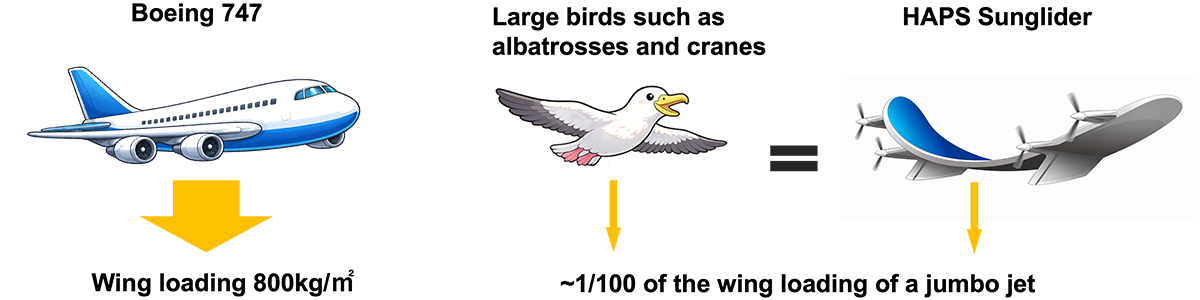
Figure 3. Comparison of wing loading per unit area across different flying bodies
4. Film-Based Lightweight Structures
Achieving a lightweight HAPS platform requires extensive use of CFRP (carbon fiber reinforced plastic) structures, with thin skin films applied to the wing surfaces. Using rigid panel materials across the wings—as in conventional aircraft—would significantly increase structural weight, making the overall energy balance unsustainable. In addition, the film serves as the supporting layer for the solar panels mounted on the upper surface. This design concept was originally proposed by Paul MacCready, founder of AeroVironment.
MacCready did not initially set out to build HAPS, but instead pursued a fundamental question: what defines an ultra-light aircraft? Through a series of experimental developments, he achieved a breakthrough by shifting the design paradigm—from aircraft sustained by structural rigidity to those enabled by extreme lightness.
One of the earliest milestones was the Gossamer Albatross (1979) (Figure 4), a human-powered aircraft that successfully crossed the English Channel. Conventional aircraft are typically designed as rigid structures, using aluminum or composite materials to create wings capable of withstanding significant loads. In contrast, MacCready constructed only a minimal skeletal framework using carbon rods and wires, covered with an ultra-thin skin film. While the wings flexed and deformed under aerodynamic loads, the aircraft became dramatically lighter, reducing the required lift and propulsion to exceptionally low levels. This led to a fundamental shift in design philosophy—from “ensuring sufficient strength to prevent failure” to “eliminating the forces that would cause failure in the first place.”
This concept was further advanced in the Solar Challenger (1981) (Figure 4), where the energy source for flight was entirely solar. The structure again consisted of a lightweight frame and skin film, with solar cells mounted on the wing surface to power continuous flight. Due to the low efficiency of solar panels at the time, the aircraft required even lower weight and a larger wing area. The Solar Challenger successfully crossed the English Channel using only solar energy, demonstrating that this approach was not merely experimental, but viable as a practical aircraft design.
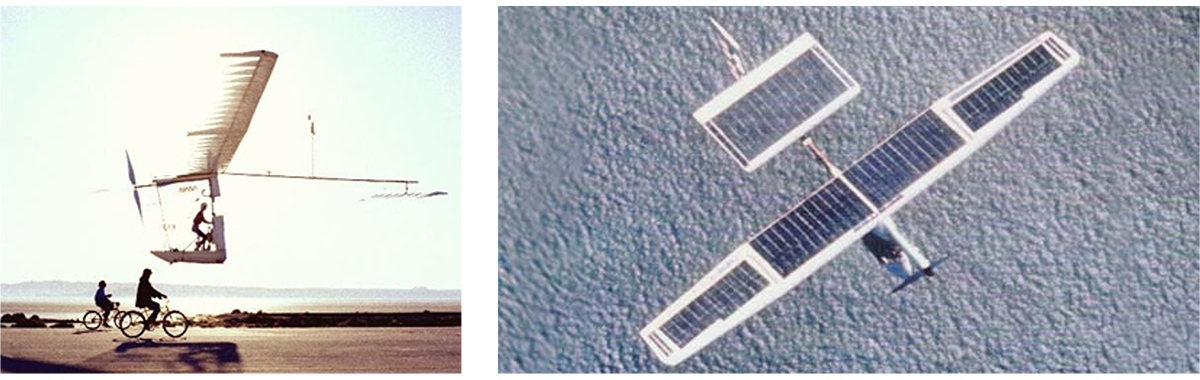
Figure 4. Gossamer Albatross and Solar Challenger (Courtesy of NASA)
A key milestone in the evolution of HAPS was NASA’s Helios (Figure 5), developed from the late 1990s through 2001. With a wingspan of approximately 75 meters, Helios was a large-scale aircraft, essentially a flying wing without conventional fuselage. It featured distributed propulsion using multiple small propeller motors powered by locally generated solar energy and employed a combination of CFRP structures and film materials. The entire wing surface was covered with solar cells, enabling sustained flight in the stratosphere at altitudes above 20 km for scientific observation. The wing loading of Helios was approximately 4kg/m2.
While NASA’s project concluded after demonstrating stratospheric flight, SoftBank built upon this concept to develop Sunglider as a stratospheric communication platform equipped with sufficient battery capacity, successfully achieving stratospheric flight in 2020.
However, the skin film materials used in Helios were based on 1990s technology and presented limitations in durability. To support long-duration operation with communication payloads, further advancements were required—specifically, skin film materials that are both lighter and more durable.
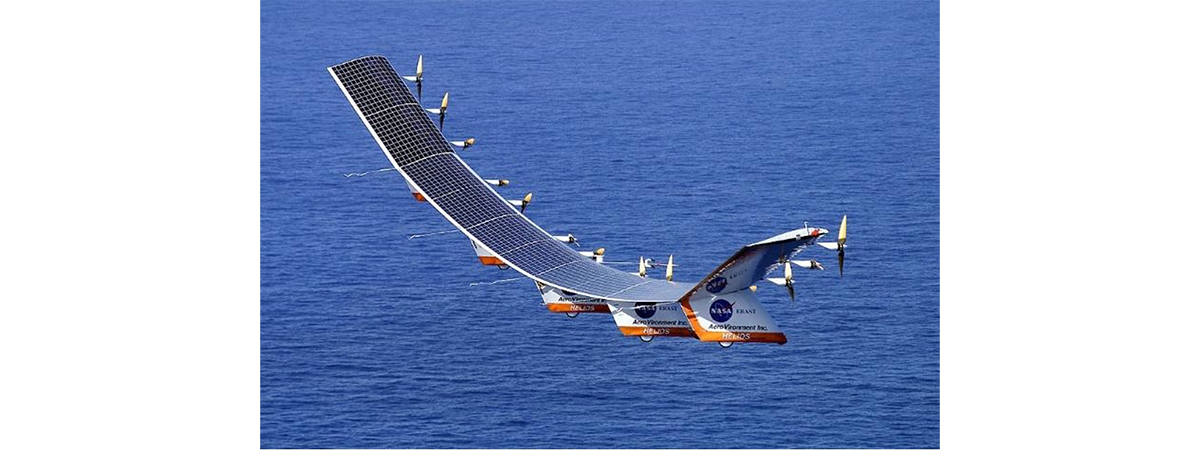
Figure 5. NASA’s Helios as a mature HAPS platform in the 1990s (Courtesy of NASA)
5. Material Challenges for HAPS Films
The primary challenges associated with film materials used in HAPS stem from the harsh environmental conditions of the stratosphere (Figure 6).
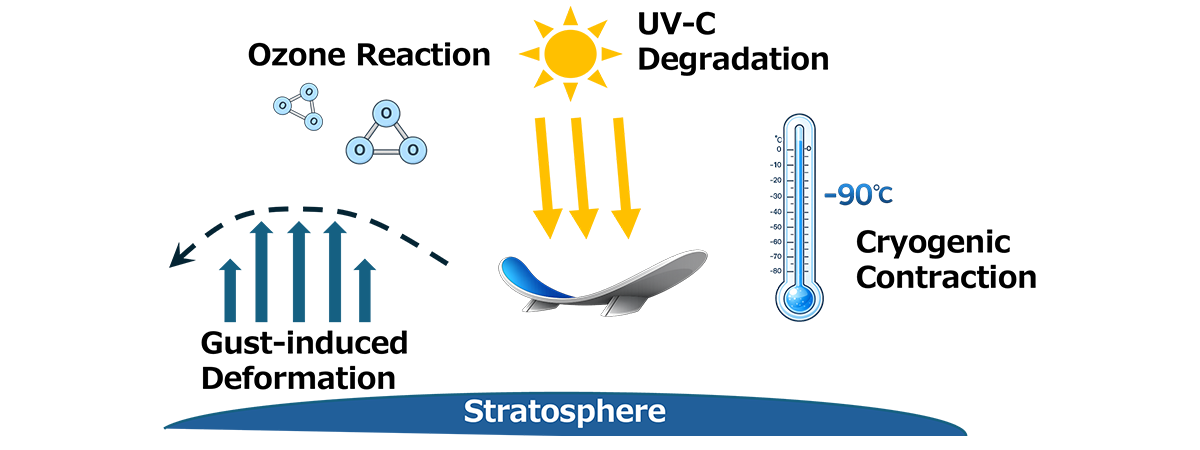
Figure 6. Key challenges for film materials in the stratosphere
As illustrated in Figure 7, the film—integrated with a carbon frame—must satisfy the following requirements:
1. Lightweight, flexible, and mechanically robust.
2. Operable under extremely low temperatures.
3. Resistant to the environment of the stratosphere, including short-wavelength ultraviolet radiation (UV-C) and ozone.
First, weight is a critical factor that directly affects the overall feasibility of the aircraft. While films may appear lightweight, the large wing area means that even a small increase in mass can have a significant impact on the entire system. At the same time, the material must provide sufficient flexibility to accommodate large structural deflections, while maintaining the mechanical strength required to withstand gust loads, as well as turbulence encountered when passing through the lower atmosphere and jet streams.
Second, the stratosphere presents an extremely low-temperature environment, with temperatures approaching −100°C. Under such conditions, materials can undergo changes in their properties, making resistance to embrittlement essential. In addition, the film must have a compatible coefficient of thermal expansion when combined with CFRP structures. In practical terms, this ensures that the film does not shrink excessively at low temperatures and become overly tensioned on the carbon frame, as illustrated in Figure 8 (left).
Third, the material is exposed over long periods to intense ultraviolet radiation and ozone, both of which are significantly stronger than at ground level. As a result, high resistance to photodegradation and oxidation is required. This necessitates repeated exposure testing, as shown in Figure 8 (right), along with design measures such as the addition of protective layers. In many cases, however, improving durability leads to increased weight, creating inherent trade-offs between performance characteristics. Furthermore, considerations for manufacturability—such as workability in large-scale wing production—are also essential.
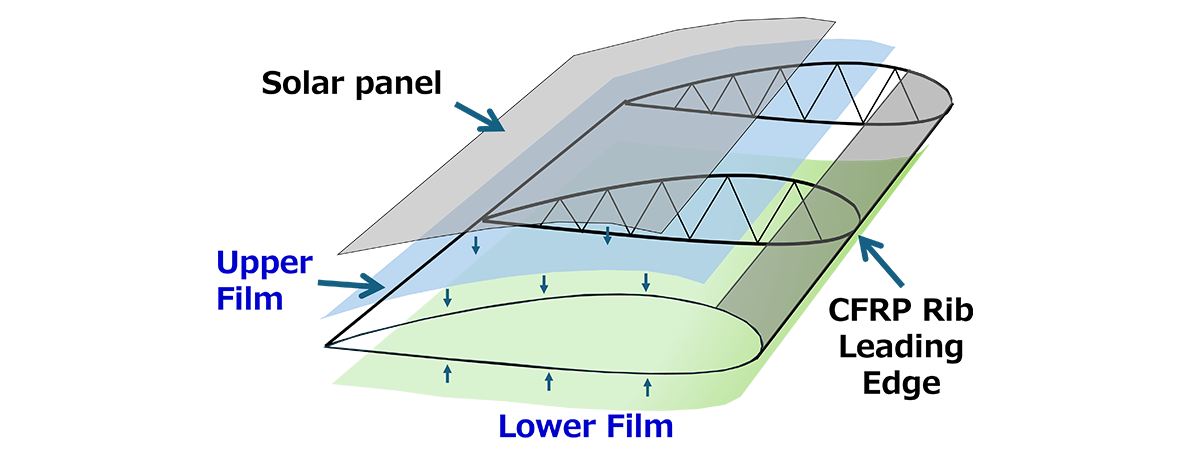
Figure 7. Conceptual wing configuration using lightweight film for HAPS
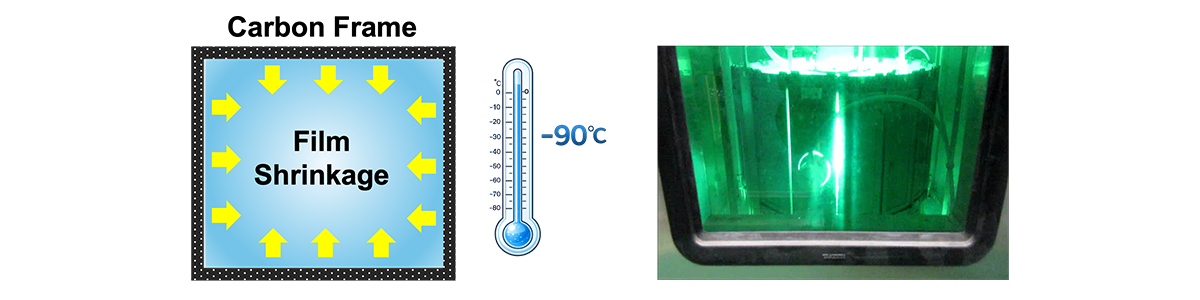
Figure 8. Thermal shrinkage of film materials in the stratosphere and preliminary UV-C accelerated exposure testing
In this development, we also established new testing methodologies for film materials. Because the number of flight tests using HAPS prototypes is inherently limited, we developed a ground-based evaluation approach that replicates stratospheric conditions by combining low pressure, low temperature, intense UV-C radiation, and high ozone concentration.
Using dedicated facilities installed at TOPPAN Holdings, we conducted extensive evaluations of candidate materials. As a result, by combining multiple base films with reinforcing layers, we successfully developed a HAPS film that demonstrates excellent durability under stratospheric conditions.
6. Future Development and Outlook
The film jointly developed with TOPPAN Holdings is planned for use in the next-generation Sunglider platform currently under development by SoftBank. Looking ahead, our goal is to further refine the material and conduct additional test flights in preparation for the final design review of the next-generation aircraft.
Toward commercialization, several hurdles remain, including type certification. This will require developers to rigorously evaluate performance and demonstrate its validity to aviation authorities.
We believe that advanced functional film technologies such as those developed in this project will become a critical foundation—not only for applications like smartphone displays and protective covers, but also for next-generation communication infrastructure, including 6G.
Through continued collaboration with a wide range of partners, we aim to further advance these technologies and expand their potential.