Contents
- Blog
- HAPS
JAXA and SoftBank Sign Joint Research Agreement to Establish Evaluation Technologies for HAPS Solar Modules
#HAPS #NextGenerationSolarCells #Aerospace #AviationandSpace
#NextGenerationPhotovoltaics #AerospaceSolarPower
Oct 07, 2026
SoftBank Corp.
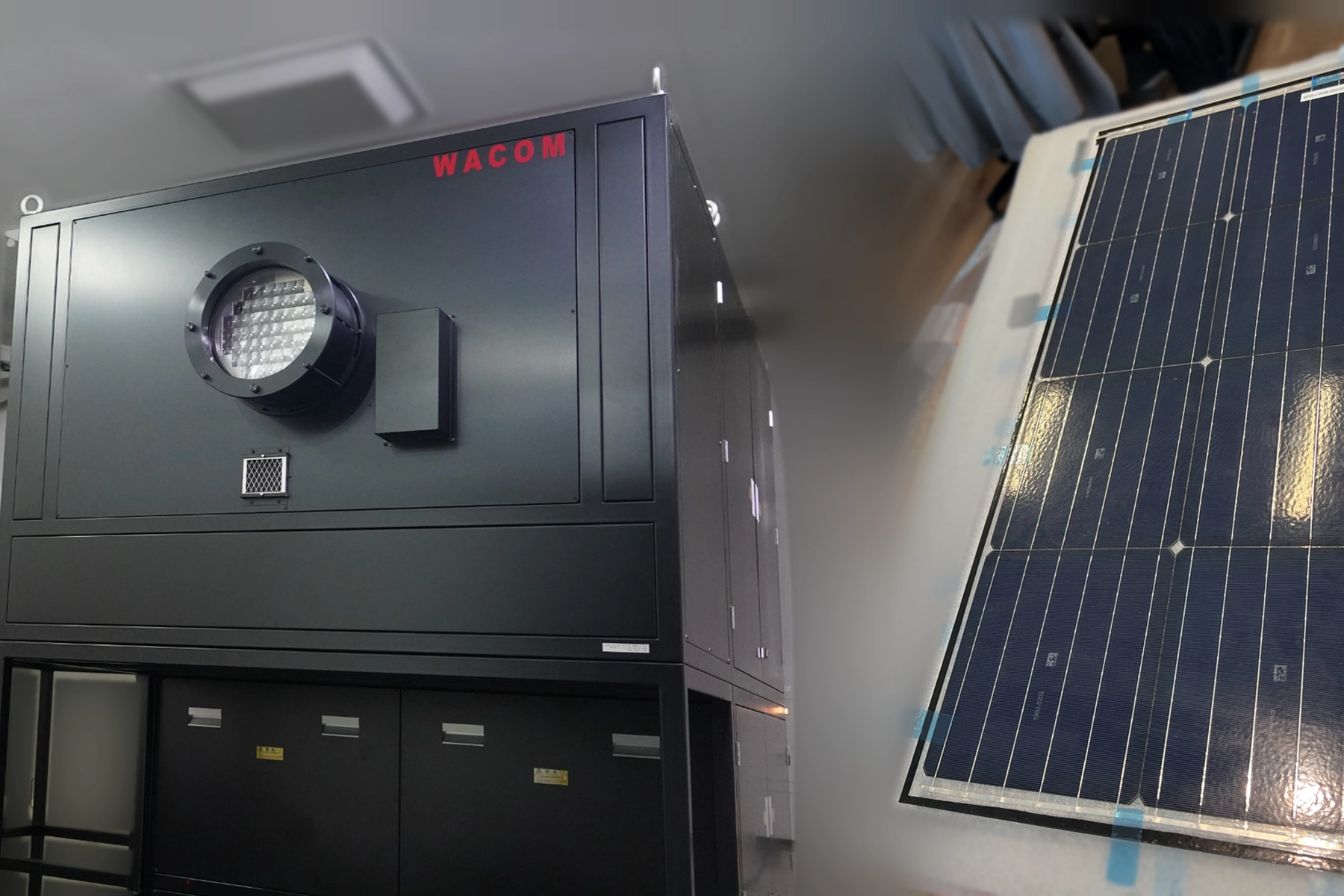
1. Photovoltaic Technology Supporting HAPS
SoftBank is developing core technologies for ultralightweight, high-efficiency, flexible solar modules for stratospheric communications platforms known as High Altitude Platform Stations (HAPS).
These platforms are intended to provide communications services while flying for extended periods in the stratosphere at an altitude of approximately 20 km (65,000 ft). Stable, long-duration flight requires sufficient electrical power within tight aircraft weight constraints, making high conversion efficiency, low weight and reliability essential for their solar modules.
To meet these requirements, SoftBank is developing perovskite/silicon tandem solar modules.
Environmental conditions in the stratosphere, including the solar spectrum, temperature and atmospheric pressure, differ from those at ground level. Developing solar modules for HAPS requires a comprehensive approach to design and evaluation for stratospheric operation. In addition to testing under illumination that simulates the Air Mass 0 (AM0) solar spectrum in space, this approach must consider the effects of temperature, low pressure, radiation and vibration.
2. Joint Research with JAXA
To accelerate research and development of solar modules for HAPS, SoftBank signed a joint research agreement with the Japan Aerospace Exploration Agency (JAXA) in April 2026.
Associate Professor Hiroyuki Toyota of the Department of Spacecraft Engineering at JAXA's Institute of Space and Astronautical Science (ISAS) will participate in the joint research. SoftBank and JAXA will bring together expertise in HAPS power requirements, the stratospheric environment and lightweight panel development, along with knowledge gained through the development and operation of solar modules for satellites and space probes, as well as evaluation technologies and test facilities.
By combining their expertise, the two organizations will conduct research and development to improve the performance of solar modules for HAPS. JAXA will also build expertise in evaluating large-area flexible solar modules, with a view to applications in future scientific satellites, space probes and other missions.
Testing under the joint research will use JAXA's large-area long-pulse solar simulator to measure and evaluate the electrical output characteristics of large solar modules with high precision under illumination that simulates the AM0 spectrum.
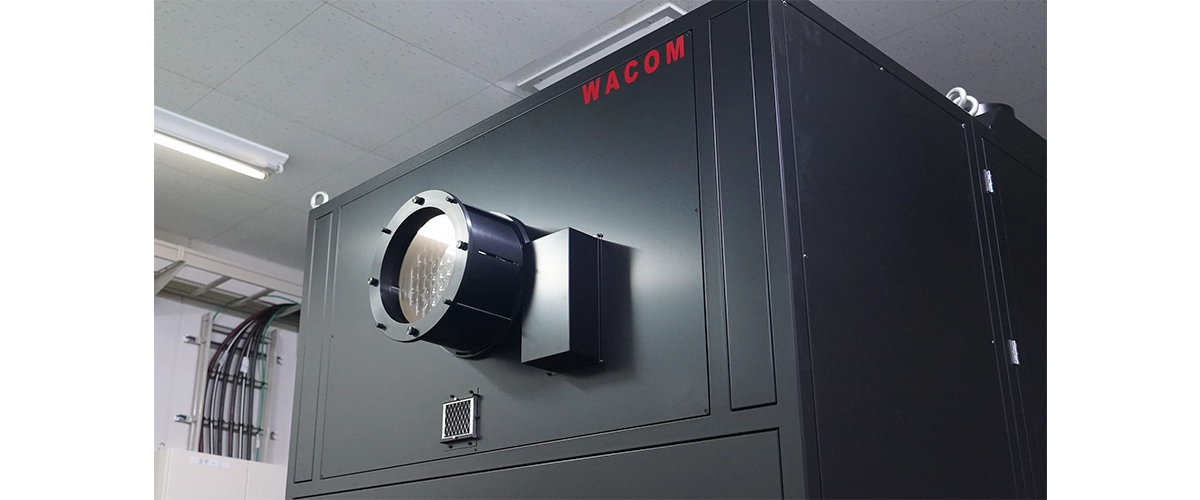
Figure 1. Large-area long-pulse solar simulator
3. Objectives of the Joint Research
Accelerating Development Cycles through High-Precision Performance Evaluation
Beginning at the development stage, before the solar modules are installed on HAPS, JAXA will draw on its accumulated expertise to provide technical input on design and prototyping that account for operating conditions such as temperature, low pressure, radiation and vibration. SoftBank will apply this input to cell and module design and prototyping.
Testing will include acquiring current-voltage (I-V) characteristics in synchronization with illumination from the solar simulator. To improve evaluation accuracy, it will also incorporate procedures suited to the characteristics of perovskite solar cells, such as light soaking, in which the module is exposed to light for a set period to stabilize its characteristics.
SoftBank will promptly feed the data and insights obtained from evaluations under simulated AM0 illumination back into design and prototyping to improve the performance of solar modules for HAPS and accelerate development cycles.
Advancing Design and Evaluation Methods through Space Technology Expertise
JAXA has accumulated extensive expertise in solar module performance evaluation, environmental tolerance, design for reliability and operation through the development and operation of solar cells for satellites and space probes, flight experiments involving perovskite solar modules and evaluations of their tolerance to the space environment.
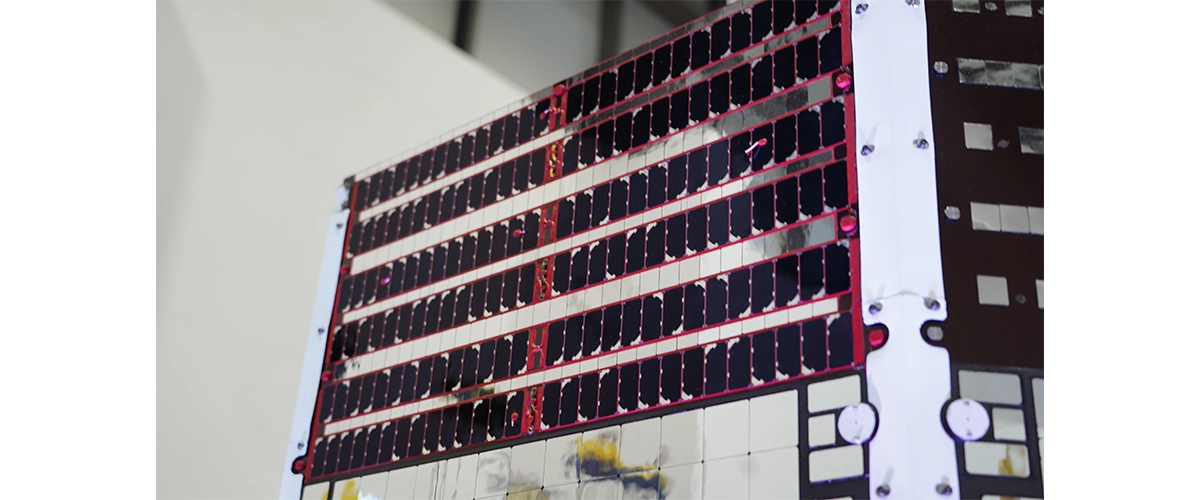
Figure 2. Solar modules of Mio, the Mercury Magnetospheric Orbiter
Operating in the stratosphere requires addressing environmental conditions that differ from both those in space and those on the ground. Drawing on its expertise, JAXA will provide technical input on design considerations, including temperature, low pressure, radiation and vibration, and use that expertise to define AM0 evaluation conditions and interpret measurement results. SoftBank will use the resulting technical input, evaluation data and insights in designing and prototyping solar modules for HAPS. At the same time, JAXA will build up evaluation data and technologies for large-area flexible solar modules, gaining insights that will help apply lightweight, large-area solar module technologies advancing in the civilian sector to future scientific satellites, space probes and other missions.
4. Comments from the Research Team
Hiroyuki Toyota
Associate Professor, Department of Spacecraft Engineering
Institute of Space and Astronautical Science (ISAS)
Japan Aerospace Exploration Agency (JAXA)
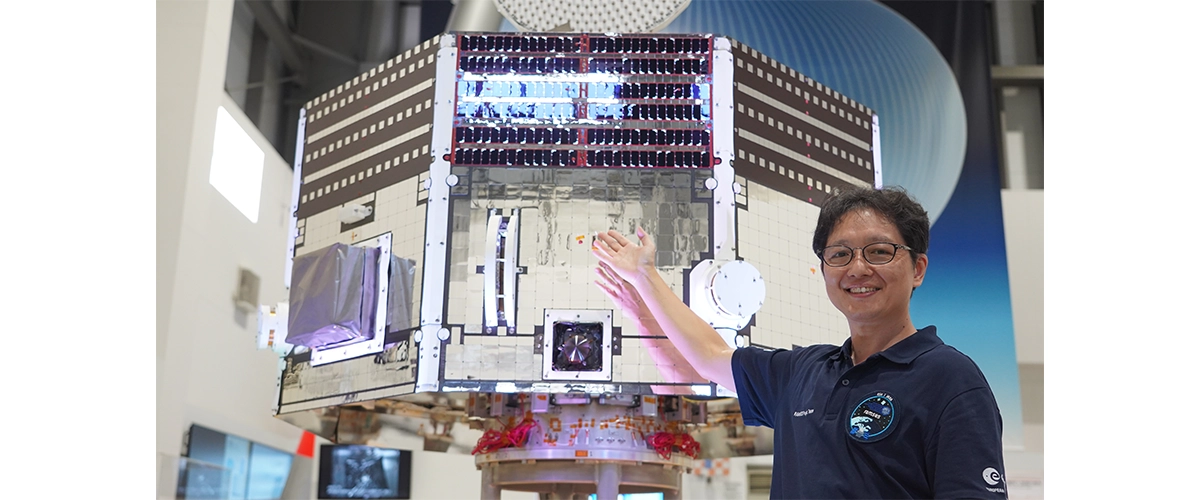
I have worked at JAXA's Institute of Space and Astronautical Science since 2005, spending approximately 20 years researching and developing power technologies, including photovoltaics, for space science. Space science is an extraordinarily exciting field that explores humanity's past and future, as well as the life of the universe itself. At the same time, its connection to everyday life can be difficult to see.
In this joint research, JAXA will draw on the expertise it has developed in the space sector to provide technical input on the prototyping of solar cells and modules being developed for HAPS. We will also measure and evaluate their electrical output characteristics with high precision under illumination that simulates the AM0 spectrum, and feed the results into the next round of prototyping. HAPS is expected to complement terrestrial communications networks and serve as communications infrastructure that supports disaster prevention, disaster risk reduction and national resilience. Through this joint research, JAXA will contribute its evaluation technologies and technical expertise to the research and development of power technologies that underpin these future possibilities.
This joint research is also an opportunity to open up the stratosphere, the region between space and the ground, while gaining insights that will help apply advances in lightweight, large-area solar module technologies from the civilian sector to future scientific satellites and space probes. In addition to cutting-edge research driven by original ideas, JAXA's Institute of Space and Astronautical Science places great importance on nurturing new technologies through collaboration among industry, academia and government, and on returning the benefits of research to society. We will build on the results of each measurement and verification step and make every effort to ensure that this work represents a solid step forward, both in improving solar module performance for HAPS and in developing the technologies that will support future space science and exploration.
Yu Nishimura
Energy Solution Development Section Advanced NTN Development Department
Ubiquitous Network Planning Division Product R&D Division, Technology Unit
SoftBank Corp.
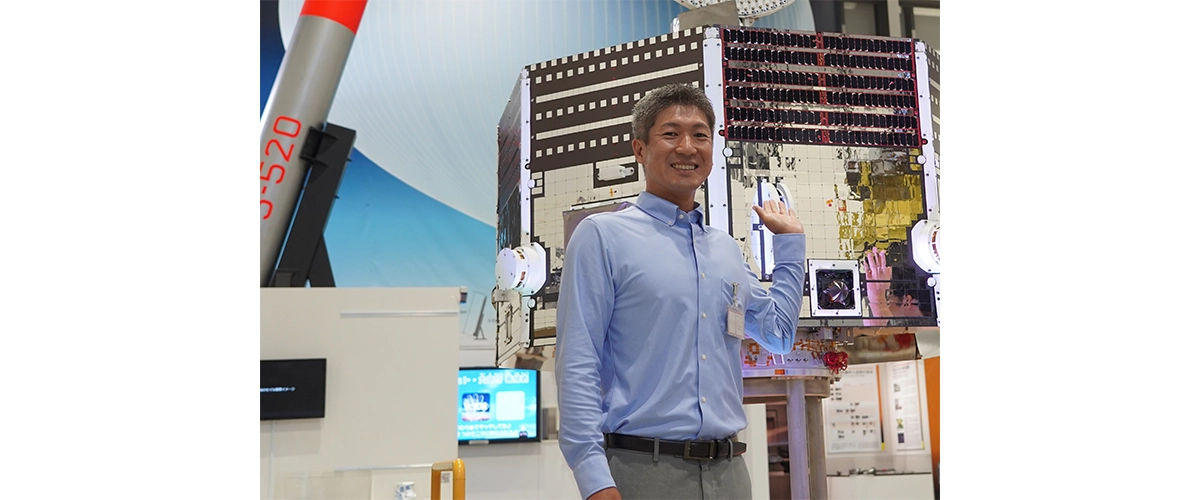
I have been drawn to the sky and space since childhood. My longstanding interest in aviation has also led me to represent Japan in radio-controlled glider competitions. After joining SoftBank, I worked as a cloud and AI engineer before moving into HAPS-related work. I now work in R&D, focusing on energy solutions. With this background, I feel deeply honored to be involved in developing HAPS, a new aerial platform.
I also see this as an invaluable opportunity to conduct research alongside Associate Professor Toyota of JAXA's Institute of Space and Astronautical Science, who brings advanced technical capabilities and extensive expertise in the space sector. At SoftBank, we are pursuing research, development and demonstrations to bring HAPS communications services into practical use. Achieving this requires highly efficient, lightweight and highly reliable power technologies that support stable, long-duration flight.
I aim to apply the evaluation data and insights gained through this joint research to the design and prototyping of solar cells and modules, helping to further advance photovoltaic technology for HAPS. Through these efforts, I hope to contribute to a future where connectivity is delivered from the sky.
5. SoftBank's Efforts toward the Practical Deployment of HAPS
Separate from the joint research with JAXA described above, SoftBank is pursuing a broad range of research and development activities in areas such as airframes, communications systems and power technologies to bring HAPS into practical use. To support long-duration HAPS flight, SoftBank is working to reduce the weight, increase the efficiency and improve the reliability of its solar modules. Looking ahead, it aims to develop low-cost modules suitable for HAPS, with a weight density of 400 g/m² or less and a conversion efficiency of 30% under simulated AM0 illumination.
SoftBank is also participating in the project "Development and Verification of Maritime Domain Awareness Technology Using High-Altitude Unmanned Aircraft / Research and Development on Long-Term Navigation Technology for High-Altitude Unmanned Aircrafts / Research and Development on High Energy Density Battery Pack and High-power Generation Efficiency Solar Cells for HAPS" under the Key and Advanced Technology R&D through Cross Community Collaboration Program (K Program) being implemented by NEDO. Through research and development of battery packs and solar cells for HAPS, SoftBank aims to strengthen Japan's technological foundation.
SoftBank began exploring airframe development for HAPS in 2017 and achieved a successful stratospheric flight in September 2020. SoftBank will continue to advance a range of technologies, including solar cells, with the aim of realizing sustainable communications infrastructure through HAPS.
SoftBank will also explore how the technologies and expertise gained from developing lighter, more efficient solar modules for HAPS could be applied in other fields, including data centers, unmanned aerial vehicles, electric vehicles and ships. Through these efforts, it aims to expand the use of renewable energy.
Furthermore, SoftBank aims to realize a world where people can stay connected anytime, anywhere by integrating non-terrestrial networks (NTN), including satellite communications and HAPS, with terrestrial mobile networks. Through these initiatives, SoftBank is advancing Ubiquitous Transformation (UTX) to bring innovations to people around the world. By bringing HAPS into practical use and building sustainable communications infrastructure, SoftBank will contribute to addressing societal challenges and creating new value.