Contents
- Blog
- Wireless, Network, Computing
Autonomous Network through AI Agent Collaboration with LTM — Joint Research with Samsung
#AI-RAN #AI #LargeTelecomModel
Oct 15, 2026
SoftBank Corp.
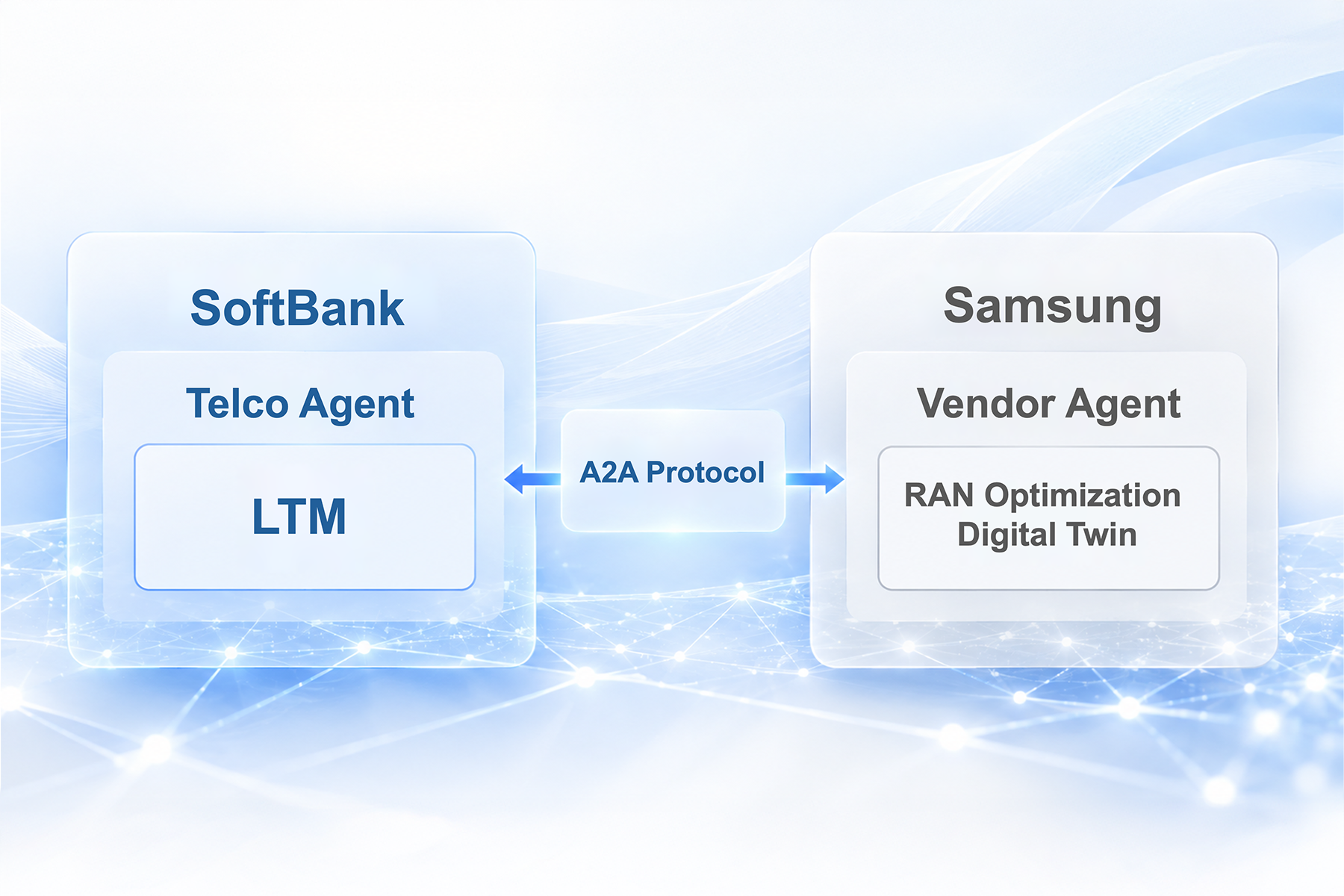
SoftBank is working to advance network operations through AI agents, with the Large Telecom Model (LTM), a foundation model for the telecommunications industry, at the core of this effort. In this article, we introduce our joint research with Samsung Electronics and the technologies that enable AI agents operated by a telecommunications operator and a network vendor to collaborate with each other.
1. The Challenge of AI Agent Collaboration in Autonomous Networks
As AI agents become capable of understanding network conditions, determining appropriate actions, and using tools to control the network, they can not only automate operations that have traditionally been performed manually, but also enable use cases that were previously difficult to realize. At the same time, real-world telecommunications networks consist of base stations, network functions, and operational systems from multiple vendors. Rather than having an operator-side AI agent handle every vendor-specific control method and internal implementation, it is important to enable AI agents with different roles, knowledge, and tools to collaborate while making use of their respective areas of expertise.
SoftBank and Samsung Electronics (Samsung) agreed in October 2025 to collaborate in the AI-RAN domain and have been pursuing joint research and development in areas covering 6G, AI for RAN, AI and RAN, and Large Telecom Model. As part of the Large Telecom Model workstream, we describe in this article how SoftBank and Samsung each operate independent AI agents that collaborate by exchanging network conditions, requirements, and evaluation results and solve a common network configuration problem.
See: SoftBank and Samsung Electronics Agree to Collaborate in the AI-RAN Domain, October 24, 2025
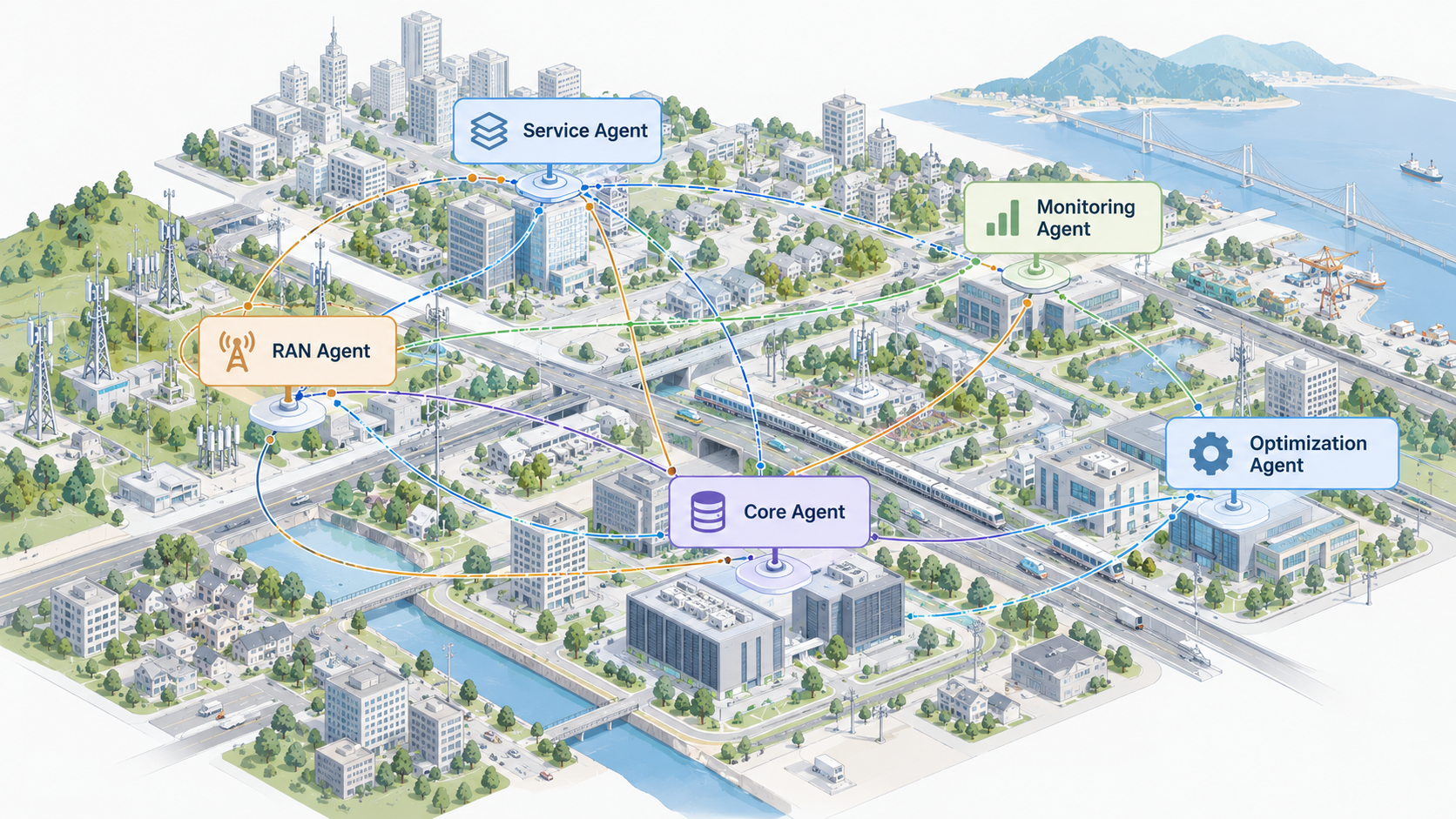
Figure 1. Multi-agent collaboration in autonomous networks (AI-generated)
2. Architecture Connecting Operator and Vendor AI Agents
2.1 Advantages of Multi-Agent Architecture
In this joint research, SoftBank operates a Telco Agent responsible for the overall network, while Samsung operates a Vendor Agent responsible for vendor-specific network technologies. The Telco Agent uses LTM to make decisions based on information such as traffic forecasts, network conditions, and operational policies. The Vendor Agent evaluates requests using Samsung’s network optimization capabilities and digital twin, and returns candidate network configurations together with the expected performance of those configurations.
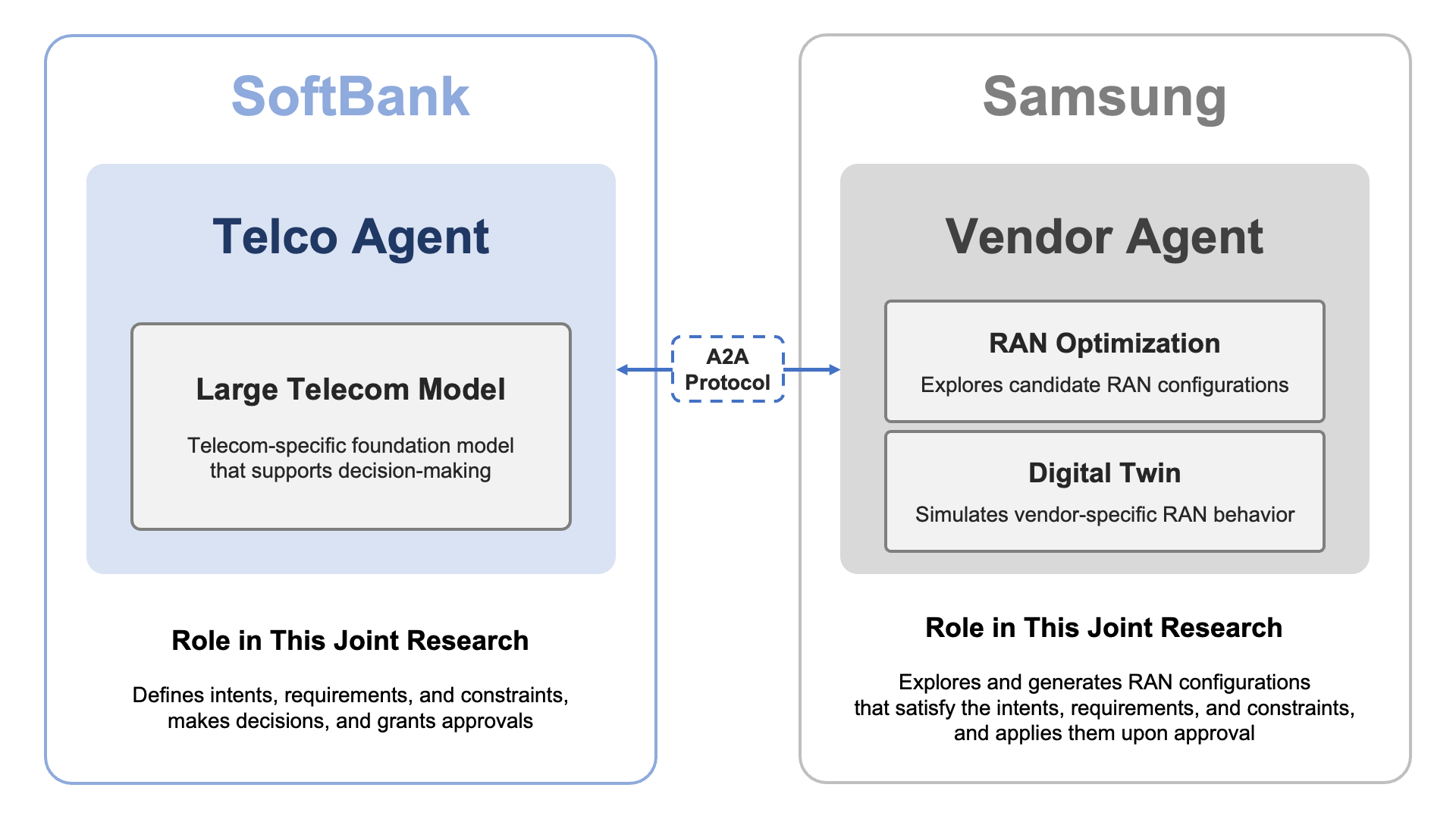
Figure 2. AI agent collaboration architecture between SoftBank and Samsung
The two agents do not need to use the same AI models or tools. SoftBank retains the information and decision logic required from the operator’s perspective, while Samsung retains its vendor-specific network control technologies and simulation environment. Only the information required for collaboration, such as task details, relevant network information, and evaluation results, is exchanged between the two sides.
This approach also eliminates the need to expose vendor-specific optimization algorithms externally. Both the operator and vendor can preserve the independence of their systems and intellectual property while exchanging only the information required for network operations between their AI agents. As AI agents are introduced across multiple vendors and network domains in the future, the ability to interoperate while keeping internal implementations separate will become increasingly important.
2.2 Agent-to-Agent Collaboration with A2A, A2A-T, and TMF921
As the use of AI agents expands, there is a growing need for a common mechanism that allows AI agents built with different frameworks and by different vendors to communicate without relying on custom integrations. Agent2Agent (A2A) is an open protocol originally proposed by Google to address this challenge and later contributed to the Linux Foundation as a vendor-neutral open project. A2A enables interoperability between AI agents running in different environments by providing common mechanisms for describing agent capabilities and exchanging messages, tasks, task states, and asynchronous results.
Telecommunications networks introduce additional requirements. AI agents may operate across multiple network domains and management layers and need to collaborate continuously as network conditions change. To address these telecom-specific needs, TM Forum is standardizing Agent to Agent Protocol for Telecoms (A2A-T), an extension of A2A. While maintaining compatibility with A2A, the new A2A-T protocol adds capabilities for telecom-specific task handling, event notification, and negotiation between agents.
While A2A and A2A-T define how AI agents communicate and coordinate tasks, a common way to express what should be achieved in the network is also required. Standardization around intent-based network operations predates the recent emergence of AI agents. In this joint research, we use TM Forum’s TMF921 Intent Management API to express network requirements as an Intent and exchange evaluation results as an Intent Report.
Our joint research combines A2A and its telecom-specific extension, A2A-T, for communication and task management between agents, while TMF921 Intent and Intent Report are exchanged within that framework. This allows independently operated AI agents across different organizations to collaborate on a single task while sharing network requirements, processing states, and evaluation results in a common form.
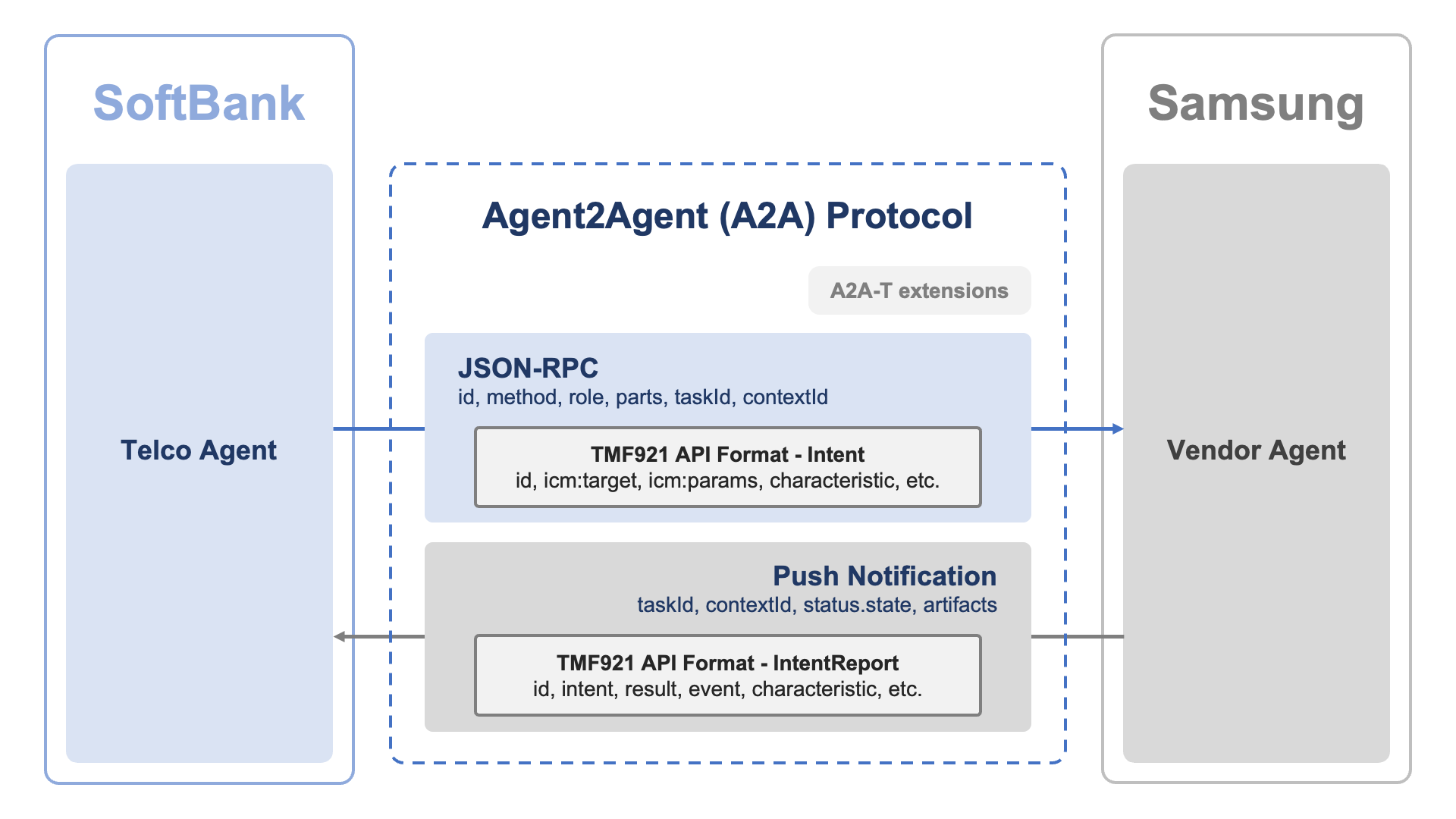
Figure 3. AI agent communication using A2A or A2A-T
3. Demonstration Using a Stadium Event Scenario
To demonstrate the AI agent collaboration studied in this research, we developed a demonstration based on network congestion during a large-scale stadium event. This is an Agentic and interoperable extension to the concept we first introduced in March 2025 at NVIDIA GTC 2025. The scenario begins with a forecast indicating that the load on Cell A, which covers the stadium area, is expected to increase significantly before the event.
First, SoftBank’s Telco Agent sends Samsung’s Vendor Agent a request to keep the load on Cell A at or below 60% while maintaining throughput of at least 50 Mbps. At this stage, the control scope is limited to Cell A. The Vendor Agent evaluates the request using its optimization capabilities and digital twin, but determines that both conditions cannot be satisfied simultaneously when only Cell A can be controlled. The evaluation result is then returned to the Telco Agent.
Based on this result, the Telco Agent reviews the surrounding cells and expands the control scope to include Cell B. The Vendor Agent then performs another optimization across multiple cells, including beam-related parameters, and validates the resulting configuration using the digital twin. Once a configuration satisfying the requested conditions is found, the Vendor Agent returns the candidate configuration and evaluation result to the Telco Agent, which reviews and approves the proposal. The Vendor Agent then registers the approved network configuration together with a rollback configuration and schedules its application for the event.
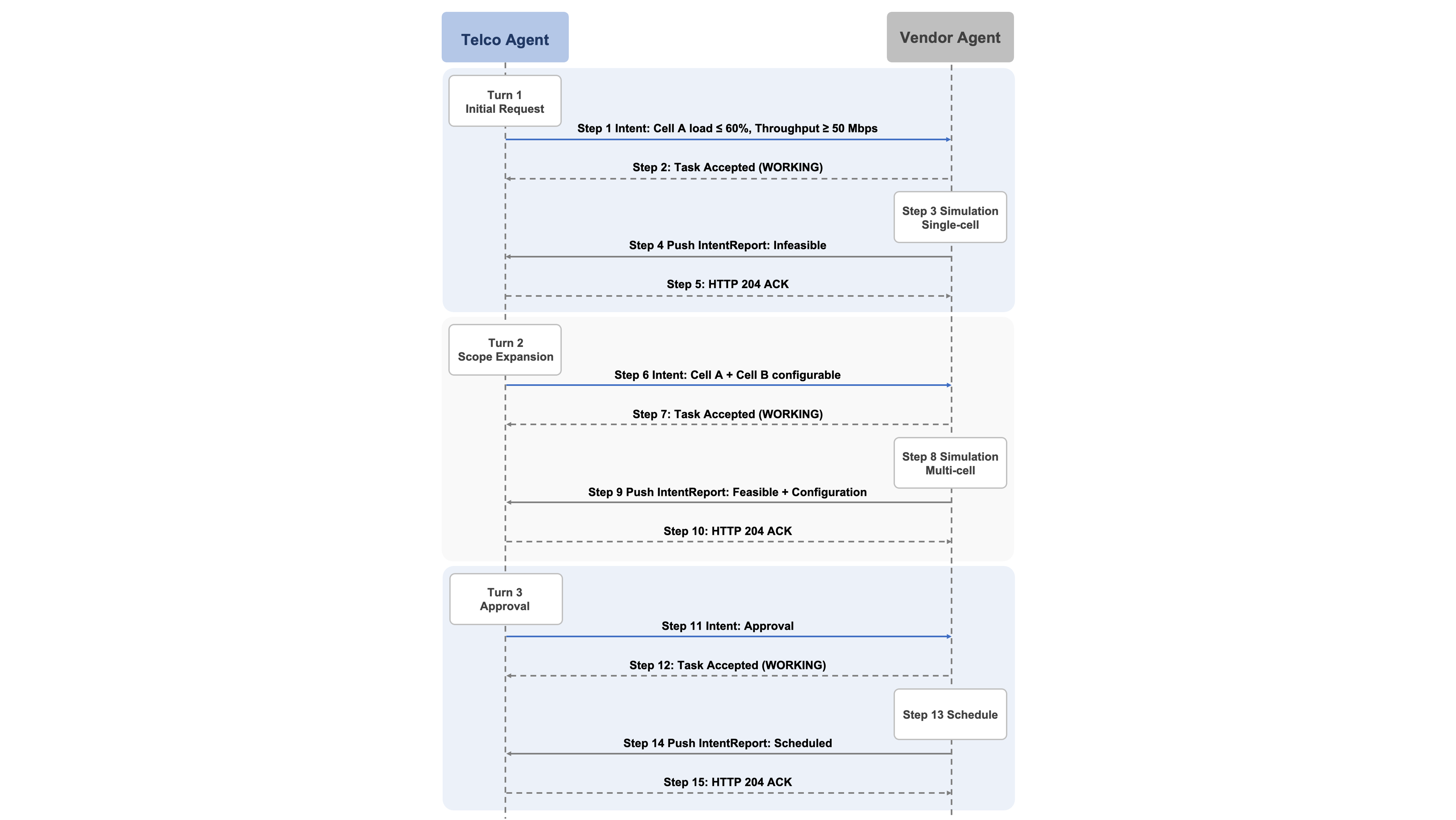
Figure 4. AI agent interaction sequence for the stadium event scenario
The purpose of this demonstration is not limited to validating a particular network optimization method. If no solution can be found under the initial conditions, the Vendor Agent returns its evaluation result, and the Telco Agent determines the next action based on the broader network context. The Vendor Agent then performs another optimization based on that decision. In this way, the demonstration shows how multiple AI agents with different roles can collaborate to carry out a single network operations task.
In this joint research, LTM serves as a core component of the Telco Agent, while specialized knowledge and network optimization capabilities on the vendor side are connected through AI agents. This enables a broader range of network operations to be handled autonomously. As more AI agents are introduced into telecommunications networks, we believe that advancing LTM itself and enabling interoperability among different AI agents will both become important.
The demonstration from this joint research is scheduled to be presented at the Silicon Valley Future Wireless (SVFW) Summit 2026, to be held in Mountain View, California, on October 14 and 15, 2026.
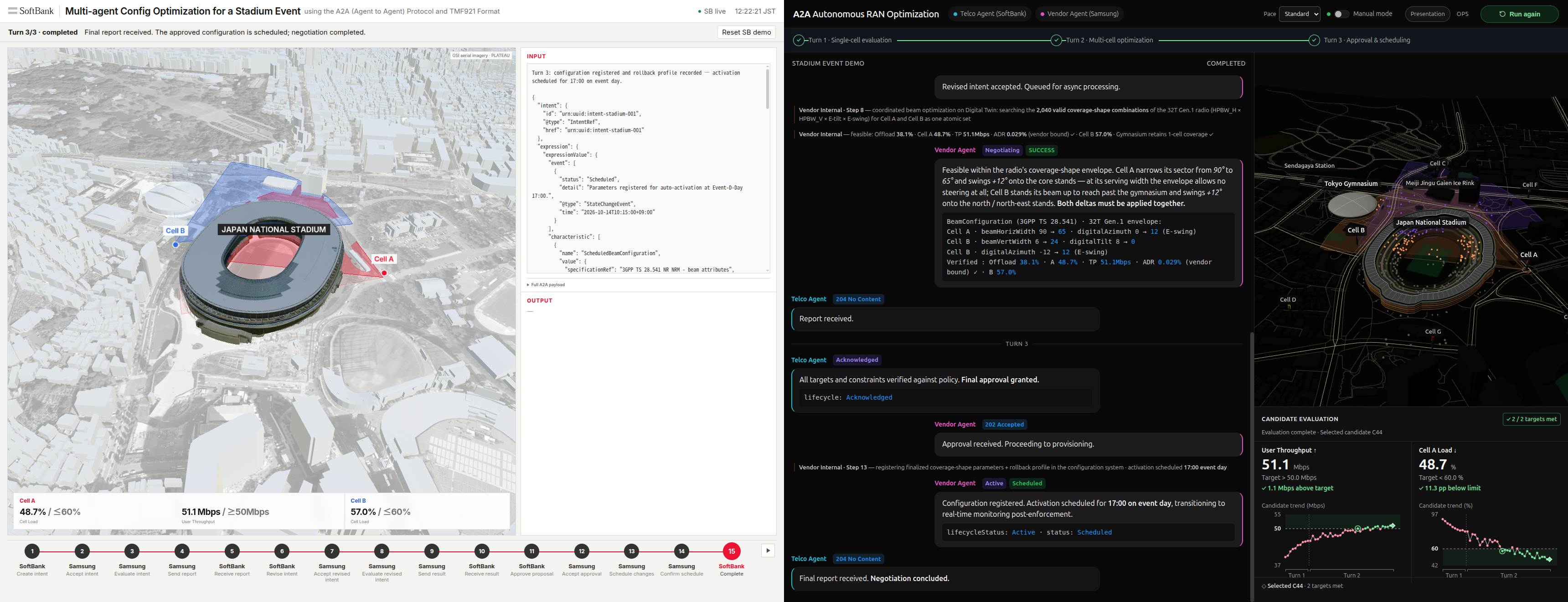
Figure 5. Demonstration screen to be presented at SVFW Summit 2026
Through this joint research with Samsung, SoftBank will continue developing technologies toward more advanced autonomous networks in which LTM and a wide range of AI agents can collaborate.
Author