Contents
- Blog
- Wireless, Network, Computing
Realizing Autonomous AI-RAN Infrastructure Operations with AITRAS Orchestrator, Powered by AI Agents
#AI-RAN #AITRAS
Mar 30, 2026
SoftBank Corp.
SoftBank is working on initiatives that both enhance telecommunications infrastructure and accelerate the use of AI. As part of this effort, SoftBank is advancing the realization of “AI-RAN,” which enables flexible execution and control of AI workloads and RAN workloads on a common infrastructure.
The AITRAS Orchestrator, developed by SoftBank, incorporates mechanisms for more efficient multi-cluster management by integrating with AI agents.
This article focuses on explaining the integration between the AITRAS Orchestrator and AI agents.
1. Challenges in AI-RAN Infrastructure Operations
One of the major challenges in operating AI-RAN infrastructure composed of multiple clusters is the need for flexible decision-making based on the situation.
For example, when resources are under pressure, workloads must be appropriately placed to distribute the load. However, “resource constraints” are not defined by a single factor—various elements such as power consumption, resource utilization, and network bandwidth across clusters are intertwined. In addition, decisions must be made based on various perspectives, including application performance (e.g., inference throughput and latency) and the cost-effectiveness of applications relative to their performance.
To enable multi-cluster evaluation from these diverse perspectives, we have developed the Dynamic Scoring Framework, which aggregates cluster-level evaluations centrally [1].
This framework allows for dynamic, multi-faceted assessment of resource conditions, making it possible to perform optimal decision-making according to the situation.
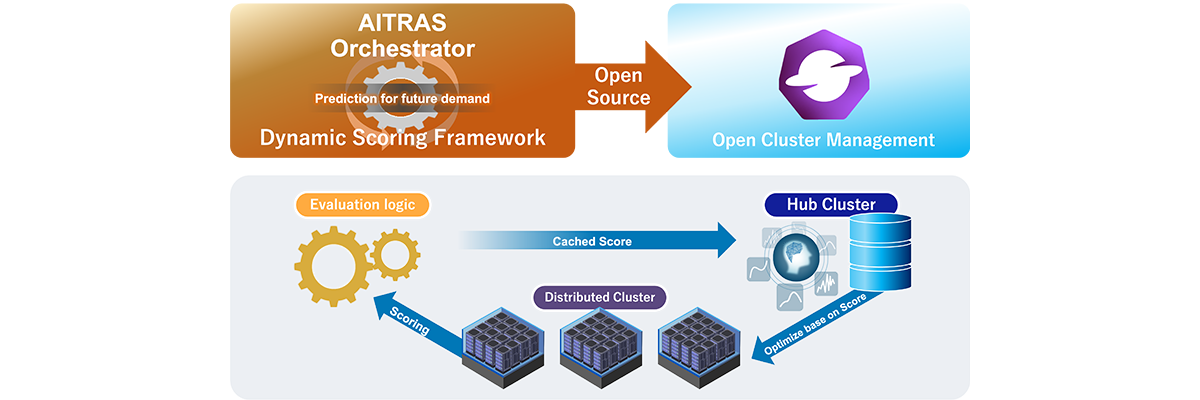
Figure 1. Multi-cluster optimization using the Dynamic Scoring Framework
However, even after collecting diverse evaluations, there are situations where decision-making is required to determine what should be prioritized for optimization.
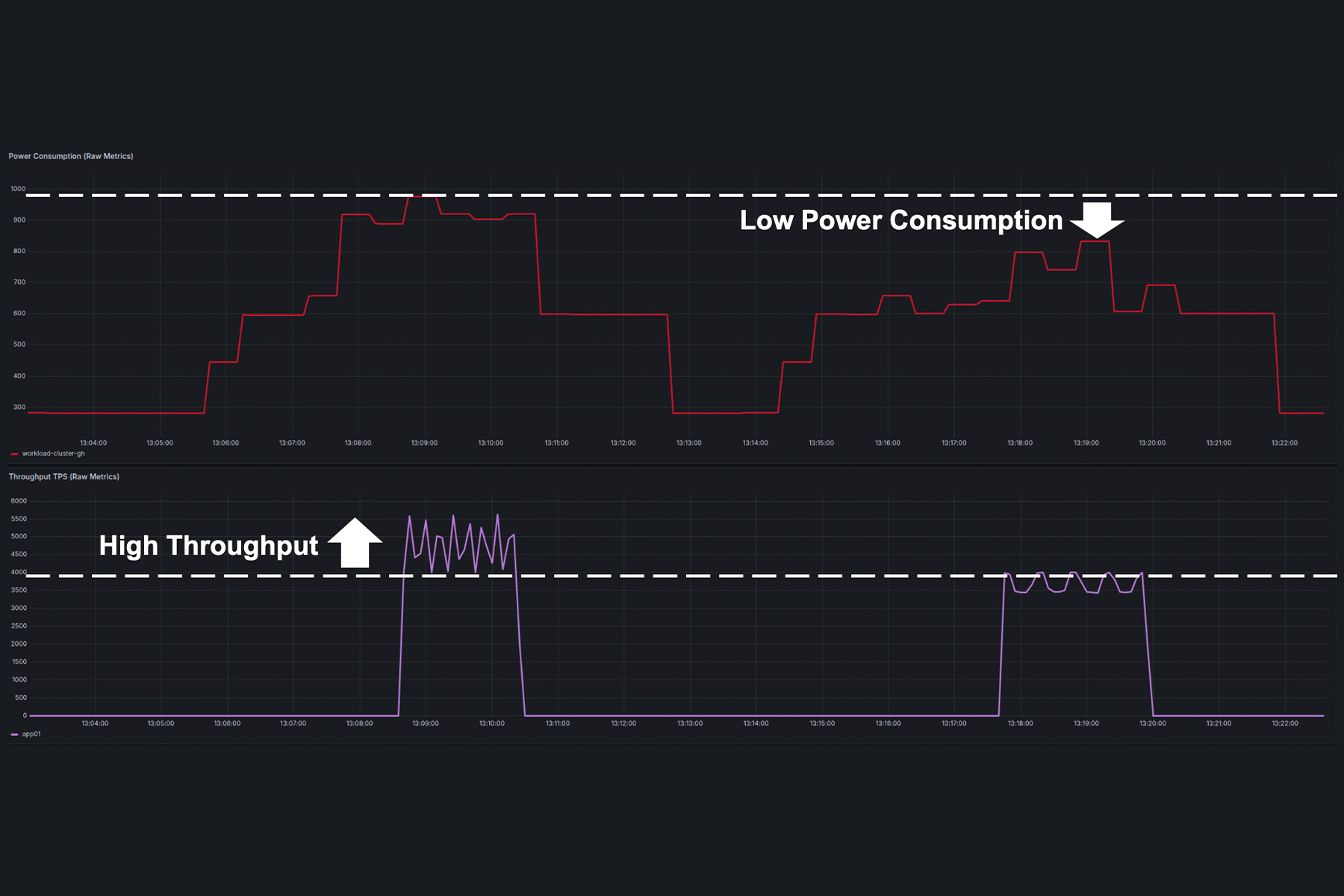
For example, inference throughput and power consumption are generally in a trade-off relationship. When such trade-offs occur across multiple evaluation dimensions, it becomes difficult for humans to define optimal decisions using rule-based approaches while properly accounting for all these trade-offs.
2. AI Agent-Driven Solution
To address these challenges, we adopted an approach in which an AI agent is introduced to interpret human intent and control the AITRAS Orchestrator accordingly to realize resource optimization on the AI-RAN infrastructure.
For example, an AI agent can receive cluster evaluations from the AITRAS Orchestrator, generate a summary, determine an optimization policy based on both the summary and human intent, and then execute the optimization through the AITRAS Orchestrator.
Here, we emphasize the importance of clearly separating responsibilities between two roles, as this separation enables both reliability and adaptability in the system:
・Deterministic processing components: Responsible for tasks where performance and correctness must be guaranteed—such as statistical processing, machine learning, and mathematical optimization (e.g., cluster evaluation and optimization based on selected metrics). These components should be implemented with well-defined, reproducible logic.
・AI-driven decision-making: Responsible for selecting which metrics to prioritize for optimization based on current evaluation results, while interpreting human intent and contextual factors.
By clearly distinguishing these roles, we can combine the reliability of deterministic computation with the flexibility of AI-driven decision-making, enabling autonomous and optimal operation of the infrastructure.
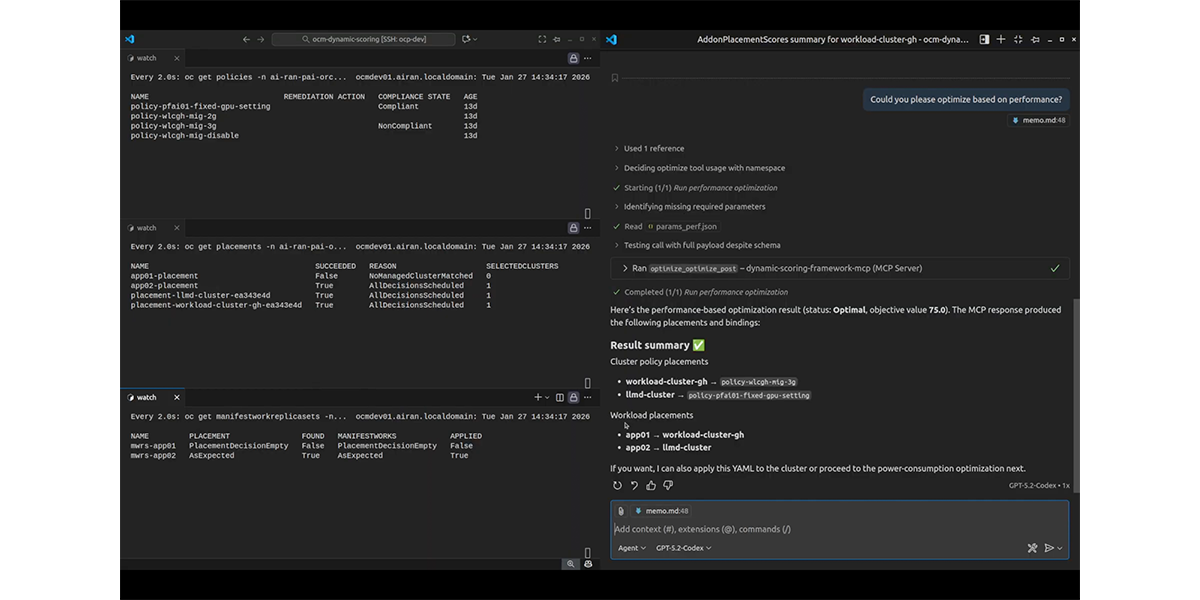
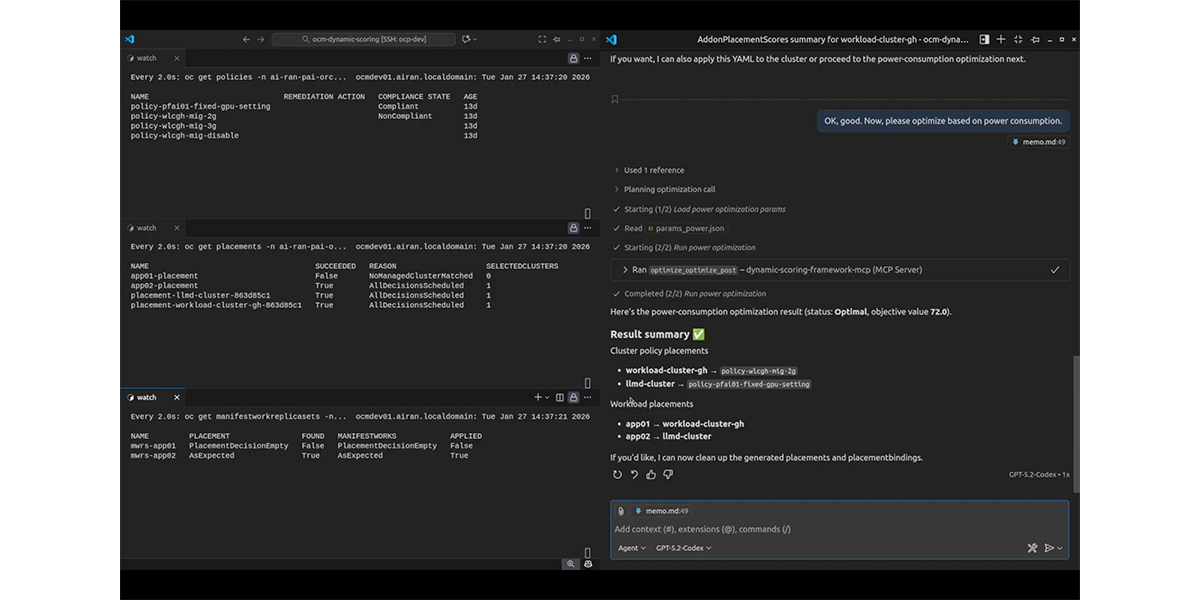
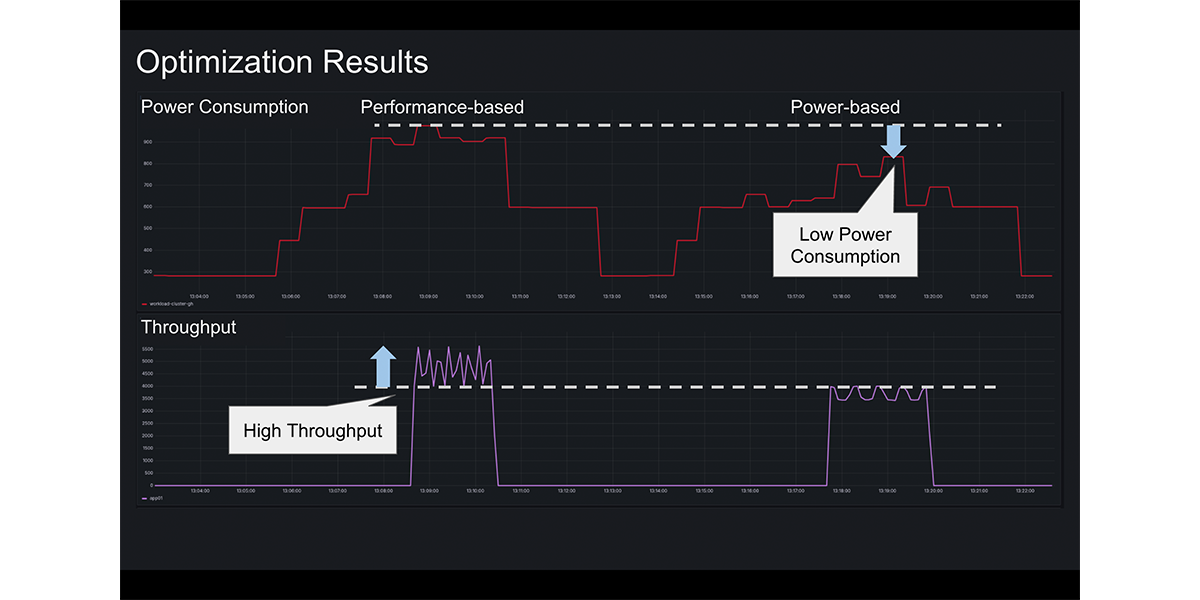
Figure 2. Optimizing inference applications through collaboration between AI agents and the AITRAS orchestrator
3. Design Considerations
In this section, we introduce several key considerations we focused on when building a system that connects the AITRAS Orchestrator with AI agents to optimize multi-cluster environments.
3.1. Building AI Agents Using LTM
As a fundamental model for telecom use cases, we are working on the development of a Large Telecom Model (LTM) as a foundation model pre-trained with expertise in telecommunications infrastructure[2][3]. Since this model has prior knowledge of telecom infrastructure configurations, building AI agents based on LTM enables infrastructure operations with an inherent understanding of RAN.
This allows the system to autonomously operate the infrastructure by leveraging domain expertise—for example, configuring resources required for telecommunications based on RAN knowledge while utilizing surplus resources for AI workloads.
3.2. AI-Friendly Interface Design
To ensure effective integration with AI agents, designing an AI-friendly interface is crucial.
For example, the AITRAS Orchestrator and AI agents are connected via an MCP server. In this setup, the AITRAS Orchestrator organizes information such as descriptions of each scoring API and queries for input metrics. When consolidated score information is requested, it provides not only the score values but also supplementary information, including score descriptions, value ranges, and the names of the metrics used in the evaluation.
This approach enables AI agents to understand the meaning of the scores without human intervention.
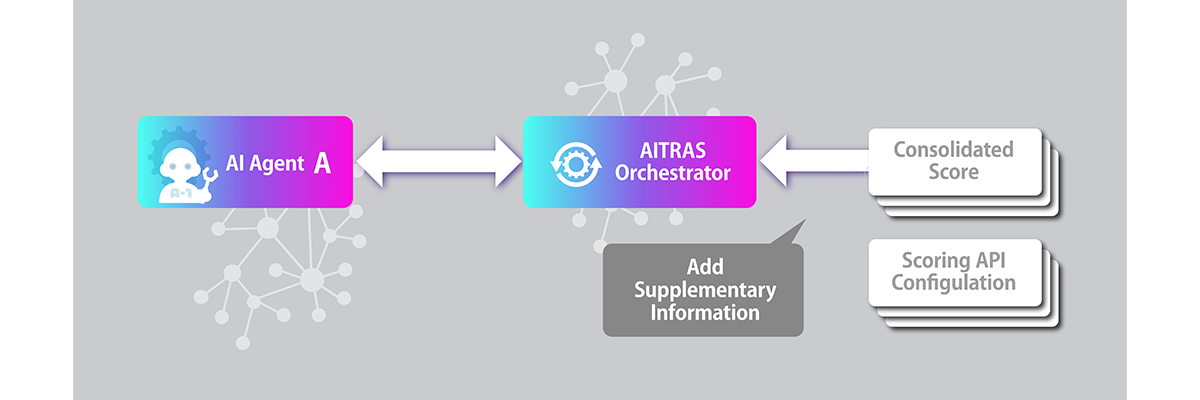
Figure 3. Monitoring scores through the AITRAS orchestrator
In addition, being “AI-friendly” is not only about improving usability, but also ensuring safety even if an AI agent attempts to make incorrect decisions.
To address this, we organize appropriate access control for cluster resources used by AI agents. Specifically, the AITRAS Orchestrator includes a mechanism that leverages Kubernetes service accounts to restrict AI agents so they can access only the resources they are permitted to use.
This approach prevents unintended access to resources through RBAC and enhances the overall safety of the system.
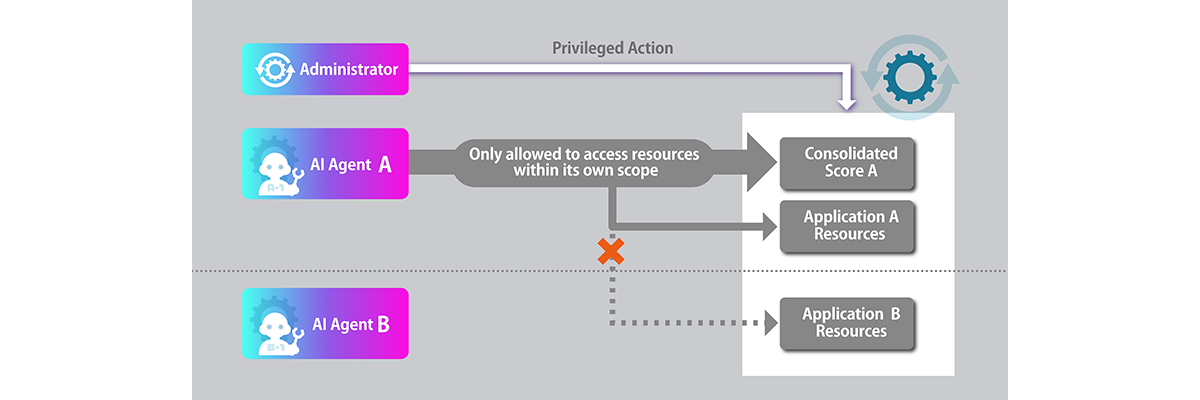
Figure 4. RBAC-based access control for AI agent operations
3.3. Optimization Process Incorporating Human Review via GitOps
When applying resource optimization decisions generated by AI agents to an actual multi-cluster environment, the overall system can be designed to include human review through a GitOps-based process.
Specifically, after an AI agent formulates an optimization policy for clusters based on aggregated scores, the changes are pushed to a Git repository via the AITRAS Orchestrator, and a pull request is created for application. This pull request is then reviewed and approved by members of the operations team before being executed. This process ensures that human judgment is incorporated into the AI agent’s proposals, resulting in more reliable optimization.
Of course, as continuous learning of AI agents progresses, this process can be further automated. However, during stages where collaboration between humans and AI is still necessary, accumulating human review data through the GitOps approval process can also be leveraged to improve the learning of AI agents.
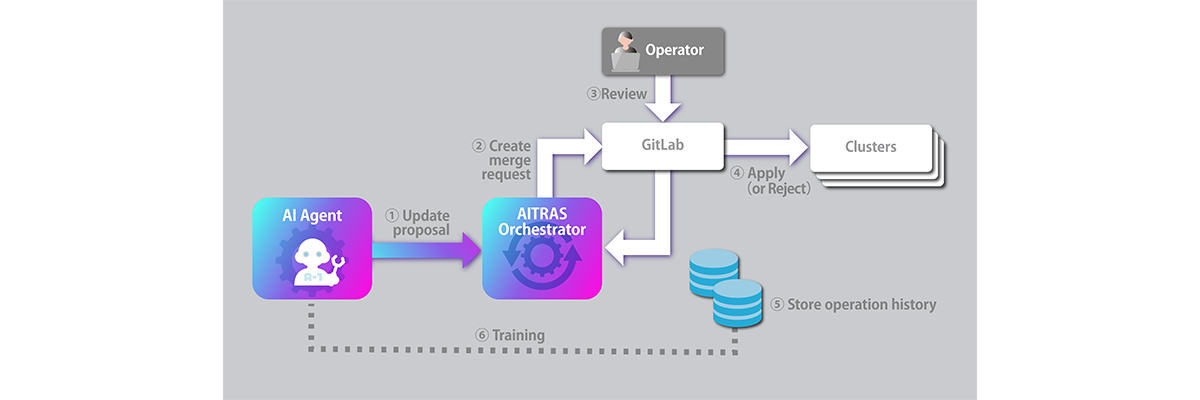
Figure 5. GitOps-based operational data accumulation and retraining
4. Realizing Autonomous Operation of AI-RAN Infrastructure with the AITRAS Orchestrator and AI Agents
As a next-generation approach to AI-RAN resource optimization, the integration of the AITRAS Orchestrator and AI agents plays a critical role. AI agents leverage the Dynamic Scoring Framework to gain a multi-faceted understanding of resource conditions and make optimization decisions accordingly.
In addition, by incorporating human review through a GitOps-based process, reliable judgment is added to the proposals made by AI agents. The results of these reviews can also be used as training data for AI agents, contributing to improved accuracy in future optimization processes.
Through this approach, AI-RAN infrastructure operations are expected to become more efficient and effective.
Reference
[1] Mechanism of the AITRAS Orchestrator for Enabling AI-RAN: Resource Optimization Using a Dynamic Scoring Framework
[2] SoftBank Corp. Develops a Foundational Large Telecom Model (LTM)
[3] SoftBank Corp. Builds Multi-AI Agent Platform for its Large Telecom Model, a Generative AI for Telecom, and Commences Verification of Autonomous Operations