OpenStreet Co., Ltd., the company behind the bike-sharing service “HELLO CYCLING” and a SoftBank Corp. (TOKYO: 9434) group company, has steadily been expanding its presence across Japan since launching HELLO CYCLING in 2016. In addition to providing another means of transportation, the company is promoting sustainable mobility, making use of under-utilized properties, and collaborating with local governments and communities.
Ryo Sengoku, a Public Relations representative from OpenStreet, explained the thinking behind the company’s initiatives as follows.

Ryo Sengoku
Public Relations, Corporate Division
OpenStreet Co., Ltd.
Making everyday travel more flexible with HELLO CYCLING
OpenStreet provides mobility platforms centered on its bike-sharing platform, HELLO CYCLING. Since its launch in November 2016, our service has steadily expanded and is now offered in 253 municipalities across 29 prefectures, making it one of the largest bike-sharing platforms in Japan. In addition to bicycles, OpenStreet offers shared small EVs and electric scooters under the “HELLO MOBILITY” banner.
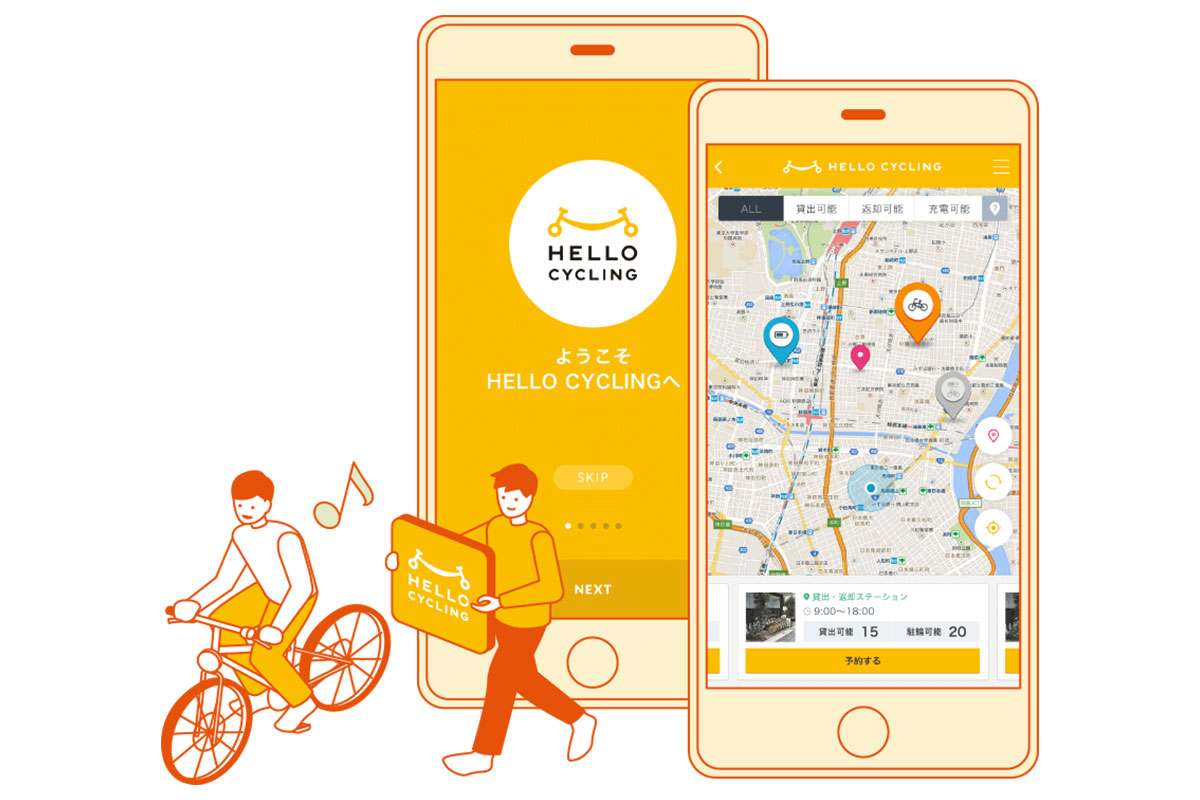
We’re addressing a variety of challenges. Even in urban areas with well-developed public transportation, many people still rely on cars for short trips, leading to traffic congestion and increased CO2 emissions. Also, in regions where transportation options are limited due to reduced bus services or discontinued lines, mobility has become constrained.
Building new railway lines or establishing new bus routes requires enormous costs and long timeframes. This is where bike sharing comes in: it works as a “last push” that maximizes existing transportation networks. Simply connecting the short distance between a station and a destination can dramatically expand people’s mobility.
By becoming another public transportation option—alongside trains, buses, and taxis—bike sharing can help reduce environmental impact while also increasing consumption within local areas.
Small spaces, big impact: the secret behind expanding to 253 municipalities
In urban areas, competition with other mobility providers makes it difficult to secure in-demand locations for docking stations. One of the key factors supporting our expansion has been partnerships with local governments. By installing docking stations in public facilities such as city halls, community centers and parks, we’ve steadily grown our service area network. Currently, we have agreements with 168 local governments.

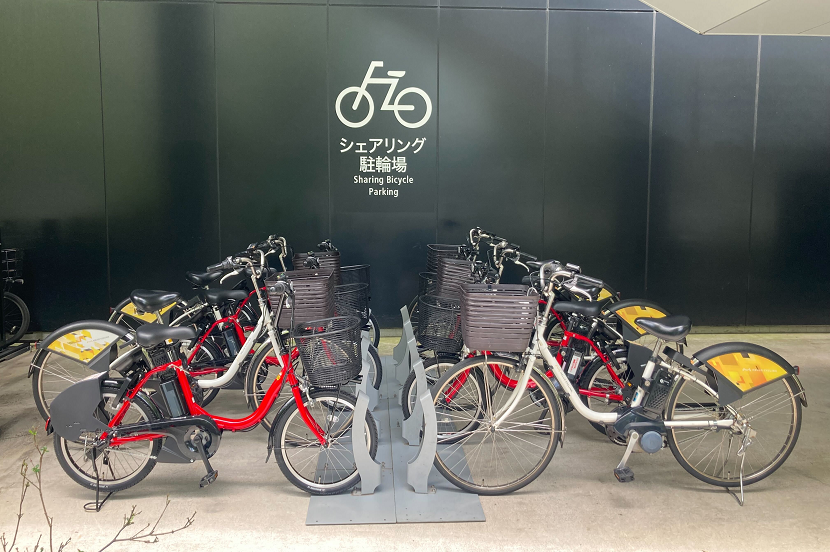
We’ve also carefully designed our docking station infrastructure. HELLO CYCLING uses a rack-based system where each bicycle is parked individually. This setup does not require large-scale construction, making installation and removal extremely easy without damaging land or property.
Because each bicycle is parked in its own rack, docking stations do not spill out onto roads or resemble abandoned bikes. This design preserves the integrity of the landscape and avoids obstructing pedestrian traffic—one of the reasons it’s been well received by municipalities.


We also focus on utilizing unused land. Some locations are identified by our sales team, while in other cases, landowners approach us seeking ways to make more effective use of their properties.
Stations can be installed in very small spaces, starting from the equivalent of just two bicycles, and property owners aren’t required to bear initial or ongoing costs. We also handle maintenance and insurance to lower barriers to entry.
Another major advantage of our service is convenience: users can access the service nationwide with a single account. Without regional restrictions—for instance, bikes can be picked up and dropped off across prefectural lines—users can enjoy seamless travel, even for long distances or while traveling.
Temporary stations help ease congestion during sports events
Addressing excessive traffic congestion during large-scale events is another important social challenge. By partnering with sports teams and facilities, we set up temporary stations on game days to support smooth and sustainable transportation for attendees.
For example, around Saitama Stadium 2002, home of the J.League’s Urawa Reds soccer team, we install approximately 200 temporary docking points on game days.
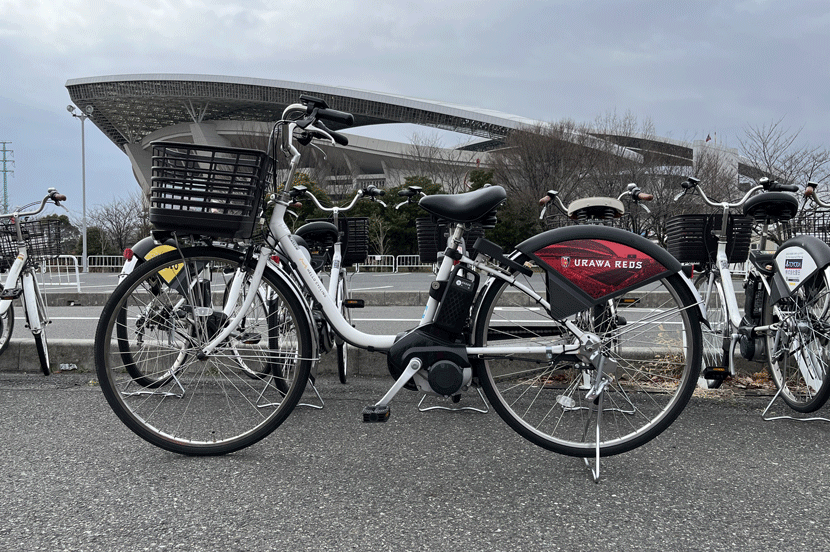
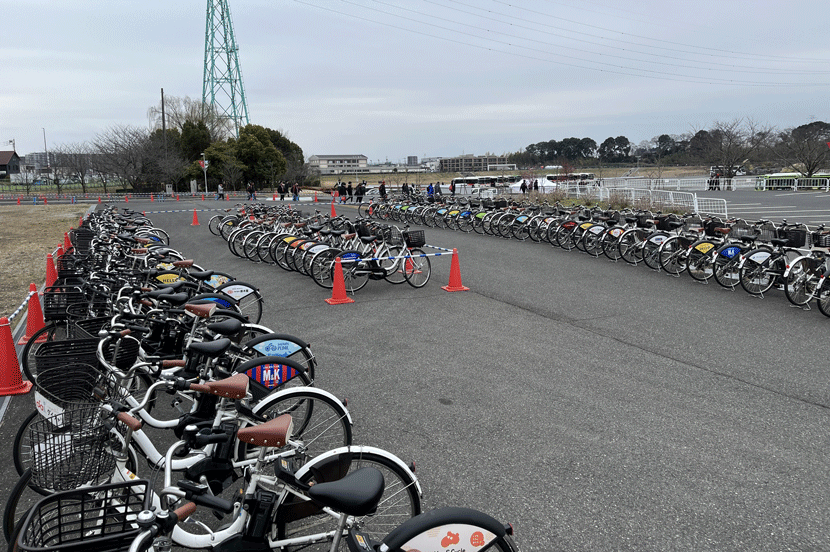
This initiative began in 2023 and has been implemented for every league match since. Not all fans rely on shuttle buses from major stations—many actually live within a few kilometers of the stadium. Despite being geographically close, using trains in these areas often require time-consuming routes via distant terminal stations. With bike-sharing as an option, fans can now travel directly from their homes to the stadium via the shortest route, without making transfers.
Our ride data has revealed some interesting patterns, such as people attending another sporting event nearby before heading to the stadium, or others traveling surprisingly long distances “full throttle” to support their teams. Our last-mile solution not only alleviates congestion but also enhances movement and activity across surrounding areas.
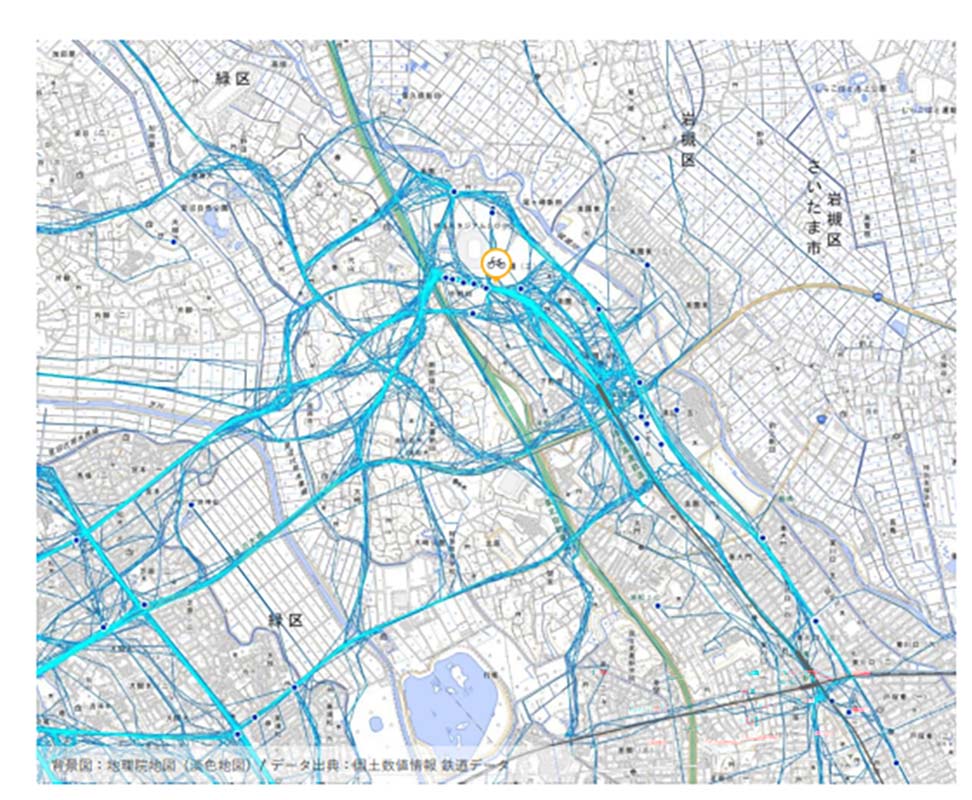
Ride data of HELLO CYCLING shared bicycles converging on Saitama Stadium 2002
55,000 Bikes’ Worth of Data Helping to Make Cities More Livable
Currently, all 55,000 shared bicycles in operation nationwide are equipped with GPS, and this data is actively used for maintenance and daily operations. Equipped with accurate data, we can monitor battery levels in real time and efficiently replace them, as well as reallocate bicycles. For instance, at night we can redistribute bicycles concentrated near stations to suburban areas.
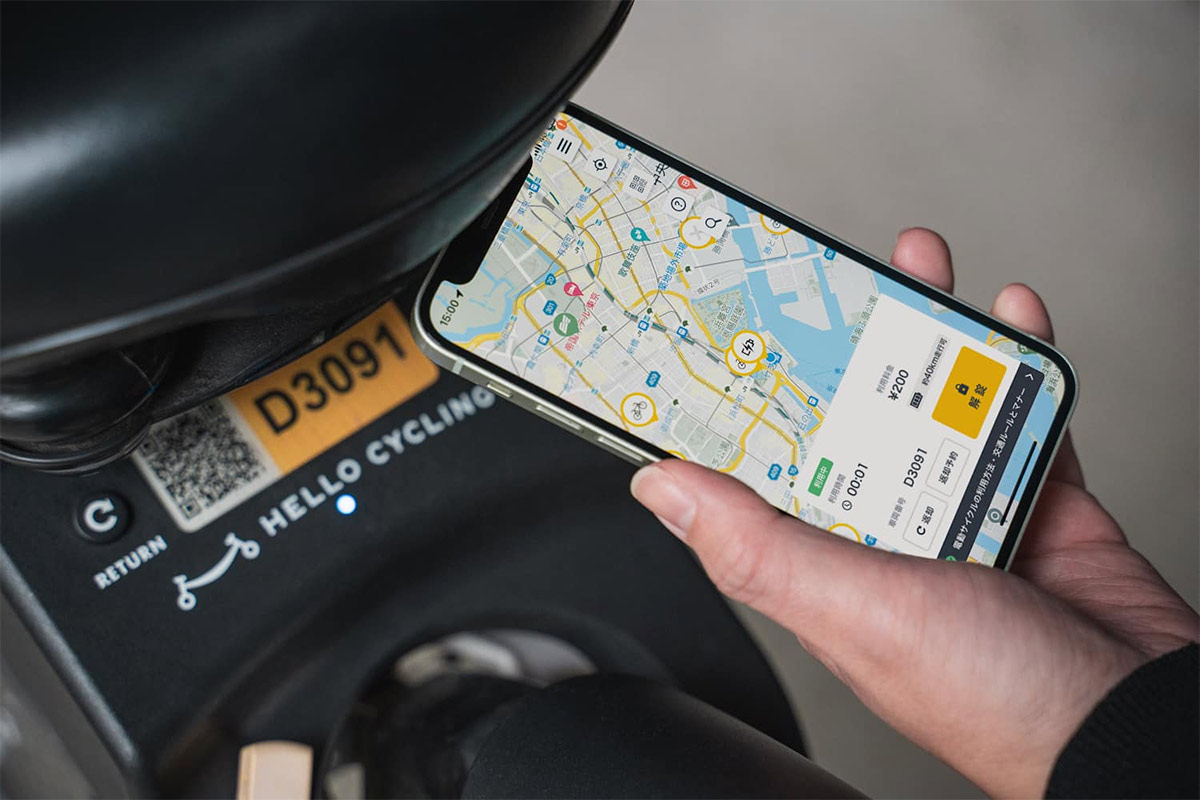
By gathering and analyzing mobility data, we also refine our strategies for new docking station placements. The data on usage patterns and travel routes enables us to focus on high-demand areas and determine optimal new locations. These insights aren’t limited to internal use; we also share them with municipalities to support urban development. By visualizing popular routes from stations, we can provide data for new development initiatives, such as where to build commercial facilities, or parks to create vibrant communities. In this way, data-driven decision-making is contributing to better urban planning.
Toward a society where sustainable mobility is the norm
We’re also participating in SoftBank’s consumer-driven forest conservation initiative, NatureBank. Environmental contributions are measured based on bicycle travel distance. By calculating CO2 reductions from HELLO CYCLING’s total monthly travel distance, we translate customers’ rides into tangible environmental contributions.
This allows customers to see their cycling not just as a means of transportation, but as a measurable way to support the planet. This helps make sustainable mobility a natural, everyday choice.
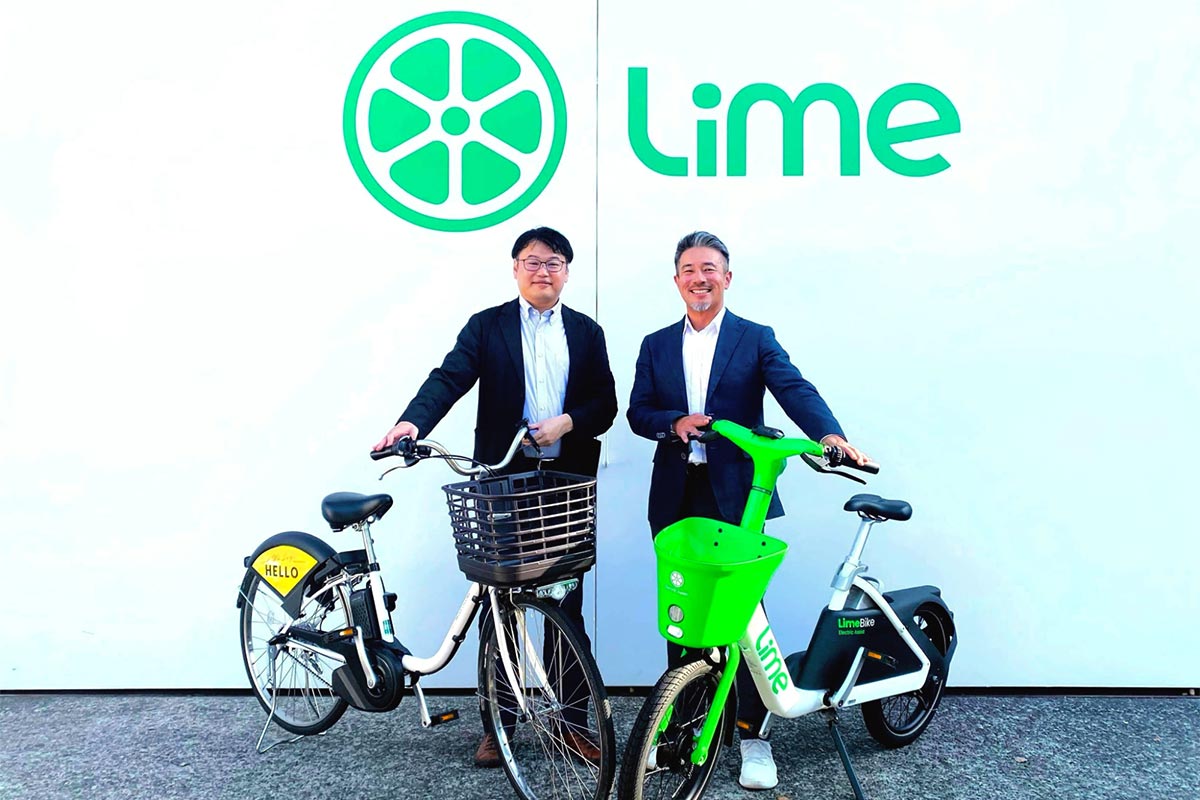
We’re also collaborating with Lime, one of the world’s largest shared mobility providers. Enabling visitors to use bicycles in Japan through the apps they’re familiar with will help to address inbound tourism challenges, including limited secondary transportation options.
At the same time, Japan’s recent tightening of traffic laws related to bicycles means heightened social responsibility surrounding shared cycling. While promoting manners and compliance with traffic regulations, we must also maintain high-quality maintenance and user satisfaction, all while ensuring business sustainability.
- TRAFFIC SAFETY GUIDELINES for Pedestrians and Cyclists, published by National Police Agency and Japan Traffic Safety Association.
- Japanese Traffic Rules in English, introduced by the Tokyo Metropolitan Government.
By continuing to create new value through environmental contributions, we’re aiming to build a society where bike sharing is as commonplace as trains or buses. Looking ahead, we’ll continue to work toward a future where mobility data also helps solve regional challenges.
Related Articles


(Posted on April 7, 2026)
by SoftBank News Editors



