Mobile Phone Recycling Initiatives
SoftBank and Y!mobile shops collect unwanted, old or broken mobile phones free of charge and recycle them*1. Mobile phone components—such as the handset itself, batteries, and chargers—contain many valuable resources, including rare metals with limited global supply, like palladium and cobalt, as well as gold, silver, and copper. These materials are recovered and reused as raw materials for components in electronic devices and other products.
Rare metals can be collected more efficiently through recycling than by mining. Promoting recycling not only helps prevent environmental destruction—such as deforestation caused by mining—but also reduces the risk of conflicts over mining rights. In resource-scarce countries like Japan, it also contributes to the effective use of limited mineral resources.
- [Note]
-
- *1This initiative has been carried out since 2001 as a joint effort among mobile phone carriers under the Telecommunications Carriers Association.
- *1
Recycling process
Collection
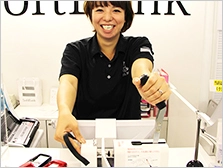
We collect unwanted mobile phone handsets, battery packs, USIM cards, chargers, charging cradles, Pocket Wi-Fi units, and PhotoVision devices from customers. To ensure customers can participate in recycling with peace of mind, we take strict precautions to prevent personal information leaks. Since fiscal year 2004, we have introduced the “Mobile Phone Punch”*2 to physically destroy handset devices.
- [Note]
-
- *2Mobile Phone Punch: A machine used to physically destroy mobile phone handsets to prevent the leakage of personal information
- *2
Sorting
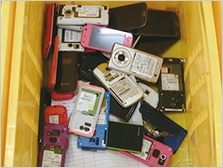
Collected mobile phones are sorted into five categories: handset devices, battery packs, USIM cards, chargers and others.
Recycling process

1. Dismantling → Crushing → Refining
The sorted handset devices and chargers are sent to a recycling facility*3, where they are crushed into small pieces by a shredding machine and then sent to a smelter for refining.
2. Recycling
The refined precious metals are recycled and used as raw materials for components in devices such as mobile phones and computers.*3
- [Note]
-
- *3The recycling process is carried out by certified partners who have obtained R2 certification, an international standard that ensures proper recycling practices.
- *3