4. Contributing to the Global Environment
with the Power of Technology
The Company contributes to the global environment
by utilizing technology to achieve carbon neutrality, promote resource circulation,
and conserve biodiversity.

Value creation
(1)Contribute to a decarbonized society
through technology
Main initiatives
- Promote the use of carbon neutral electricity*1 in business activities
- Secure renewable energy through long-term Power Purchase Agreements
- Construct distributed AI data centers
- Improve power efficiency through "All optical network" and AI-RAN implementation
- Utilize AI, IoT, and other technologies to save energy (smart buildings, etc.)
- Transition company vehicles to HVs and EVs
- Create and expand energy related businesses
| FY2026 |
|---|
| Targets and KPIs |
| Achieve carbon neutrality (Scope 1 and 2*2) by FY2030*3, 4 |
| Achieve net zero emissions (Scope 1, 2 and 3*2) by FY2050*3 |
Carbon-neutral electricity ratio*3, 4:
|
| Develop and expand energy-related businesses by FY2030 |
For the FY2025 KPI results, please click here .
.
Related links
[Notes]
-
*1
Electricity with a zero emission factor
-
*2
Scope 1: Direct greenhouse gas emissions by the Company itself
Scope 2: Indirect emissions from the use of electricity, heat, and steam supplied by other companies
Scope 3: Indirect emissions other than Scope 1 and Scope 2, occurring in the value chain associated with the company's business activities -
*3
Applicable entities: SoftBank Corp. and its consolidated subsidiaries.
-
*4
Owner-received electricity, which had been included in Scope 3 through FY2024 and represents electricity consumption associated with the use of equipment installed outside the Company’s premises, is calculated as part of Scope 2 from FY2025
(2)Promote a recycling-based society
Main initiatives
- Promote recycling and reuse (mobile phones, base station equipment, etc.)
- Reduce waste in business activities
- Support the construction of new independent water reuse systems (WOTA, WOSH)
| FY2026 |
|---|
| Targets and KPIs |
| Recycling and reuse rate as a percentage of new mobile phone sales: 20% or higher |
Industrial waste recycling rate:
|
For the FY2025 KPI results, please click here.
Related links
(3)Promote coexistence
with the global environment
through biodiversity conservation
Main initiatives
- Promote forest conservation in response to facility development in protected areas
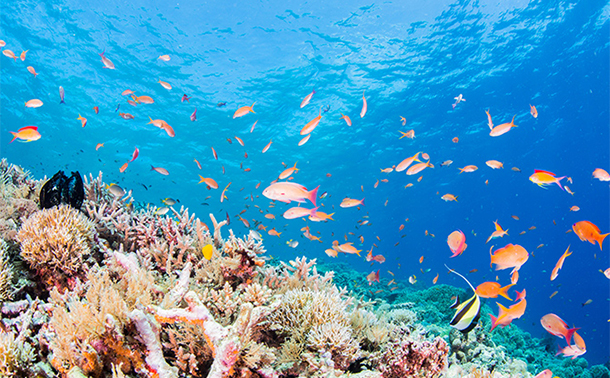
- Natural capital conservation initiatives (including NatureBank, the Japan Forest Regeneration Support Project and the Future and Coral Project)
| FY2026 |
|---|
| Targets and KPIs |
Achieve Nature Positive 2030:
|
For the FY2025 KPI results, please click here.
Related link
[Notes]
-
*1
Equivalent to 1% of daily water use at the data center
-
*2
One data center equivalent is an estimate based on the Company's model usage; the required area for tree planting to support water source recharge is 2 hectares or more
-
*
Unless otherwise specified, the KPI metrics, targets, and results apply only to SoftBank Corp.
-
*
"Main initiatives" include initiatives by SoftBank Corp. and group companies.
The key sustainability-related risks and opportunities associated with this material issue are as follows.
| Category | Risks or Opportunities | Description |
|---|---|---|
| Climate change | Risks | Long-term increases in procurement costs associated with stronger climate change measures, including the introduction of carbon pricing such as carbon taxes and requirements for renewable energy adoption |
| Disruption or damage to the Company's telecommunications infrastructure and other assets due to the increasing severity and geographic spread of natural disasters caused by climate change, as well as higher recovery costs | ||
| Energy management | Opportunities | Securing a competitive advantage over peers through growth in the energy efficiency and decarbonization solutions market and through the promotion of renewable energy procurement and utilization |
Sustainable development goals